Releated Products
-
-
-
-
-
-
-
-
-
-
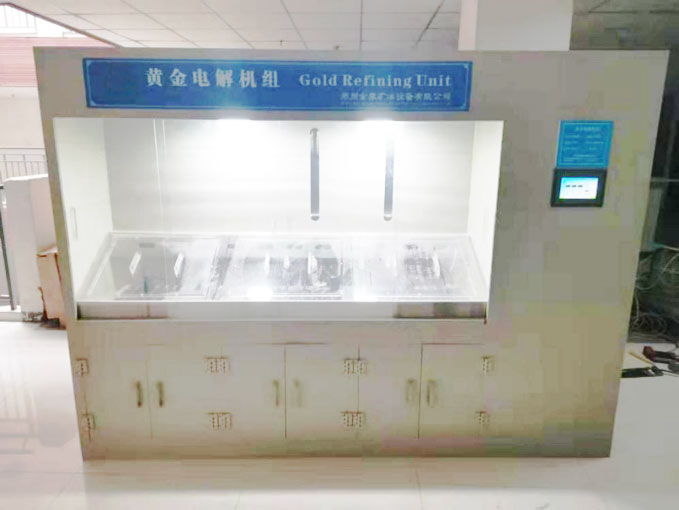
anode mud in electrolytic refining of silver
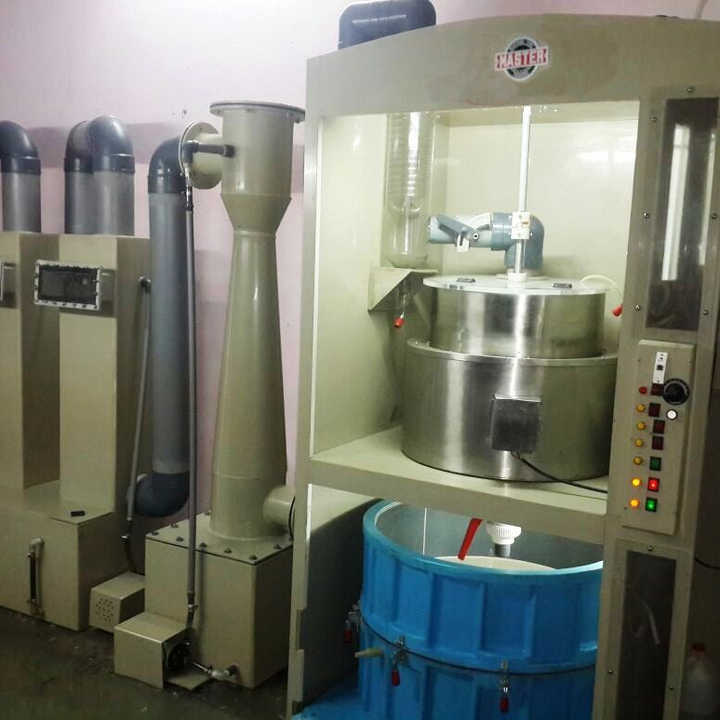
Understanding Anode Mud in the Electrolytic Refining of Silver
In the world of metallurgy, the electrolytic refining of silver is a process that allows for the purification of silver to achieve high levels of purity. One of the by-products of this process is a substance known as anode mud, which plays a significant role in the recovery of valuable metals. In this article, we will explore what anode mud is, how it forms during silver refining, and its importance in the overall refining process.
What is Anode Mud?
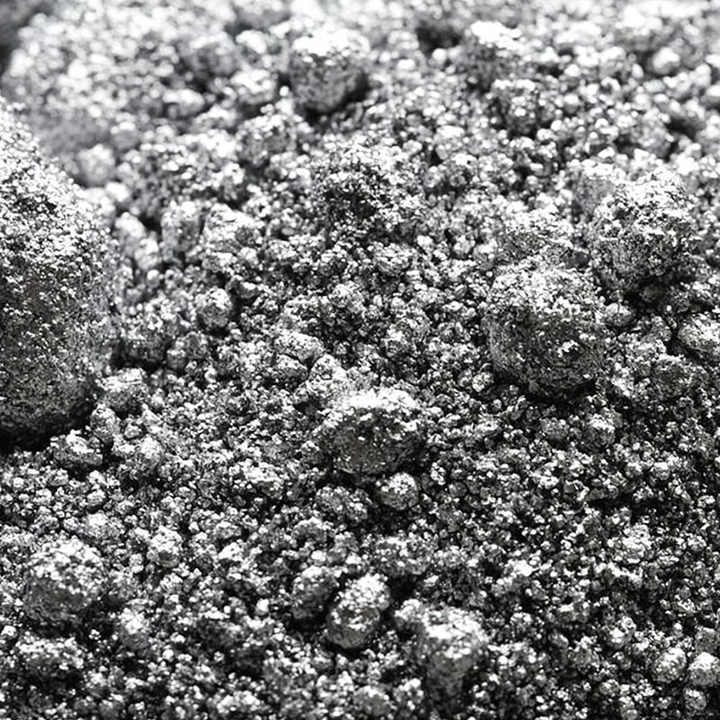
Anode mud, also known as anode slime, is the residue that accumulates at the bottom of the electrolytic cell during the refining process of metals like silver. As the impure silver is dissolved from the anode, certain metals and impurities that are less reactive or insoluble do not dissolve and fall to the bottom of the cell. This sediment is called anode mud.
Anode mud contains a variety of valuable metals, including gold, platinum, palladium, and other rare earth elements, making it an important by-product for metal refiners to process and recover these additional metals.
Formation of Anode Mud in the Electrolytic Refining of Silver
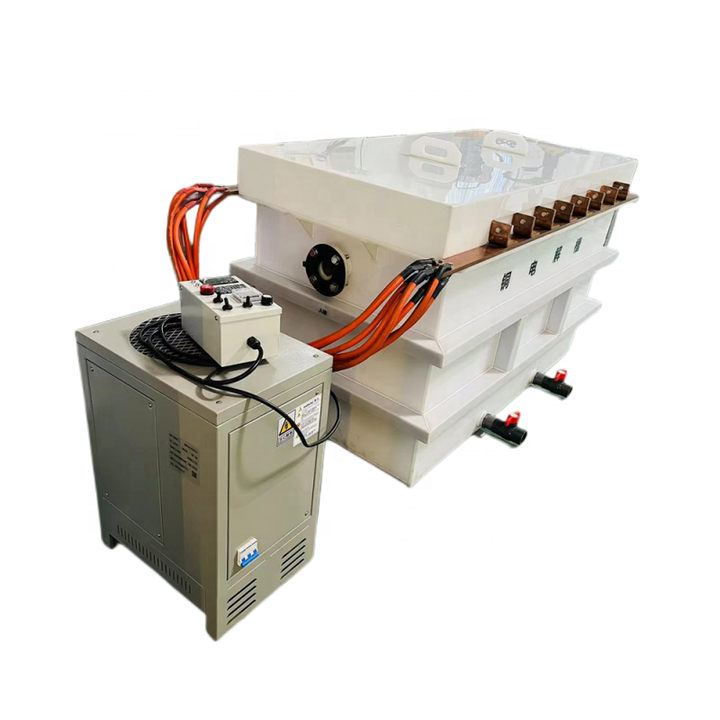
The electrolytic refining of silver involves placing impure silver as the anode and a pure silver plate as the cathode, both submerged in an electrolytic solution, typically composed of silver nitrate and nitric acid. When an electric current is applied, the silver from the impure anode dissolves into the solution and is deposited onto the cathode as pure silver.
However, not all the impurities in the anode dissolve into the electrolyte. Heavier metals such as gold, platinum, and other insoluble materials remain at the anode and eventually settle as anode mud at the bottom of the electrolytic cell. This mud is then collected and further processed to extract these precious metals.
Composition of Anode Mud
The composition of anode mud can vary depending on the impurities present in the impure silver being refined. Some common components found in anode mud during the silver refining process include:
- Gold: Gold is often present in trace amounts within impure silver and does not dissolve during the electrolytic process, making it a valuable part of anode mud.
- Platinum Group Metals: Metals such as platinum, palladium, and rhodium, known for their high value and industrial importance, can also be found in small quantities in anode mud.
- Lead and Copper: These metals are commonly present in impure silver and contribute to the overall volume of anode mud, though they are less valuable than gold or platinum group metals.
- Oxides and Sulfides: Non-metal impurities such as oxides and sulfides can also form part of the anode mud, though they are typically of little value.
Recovery of Precious Metals from Anode Mud
One of the most important aspects of anode mud is its economic value. The recovery of precious metals such as gold and platinum from anode mud is a vital part of the refining process, as it allows refiners to maximize the efficiency and profitability of the operation.
The process of recovering metals from anode mud typically involves several steps, including:
- Filtration and Separation: The anode mud is first filtered and separated from the electrolyte solution.
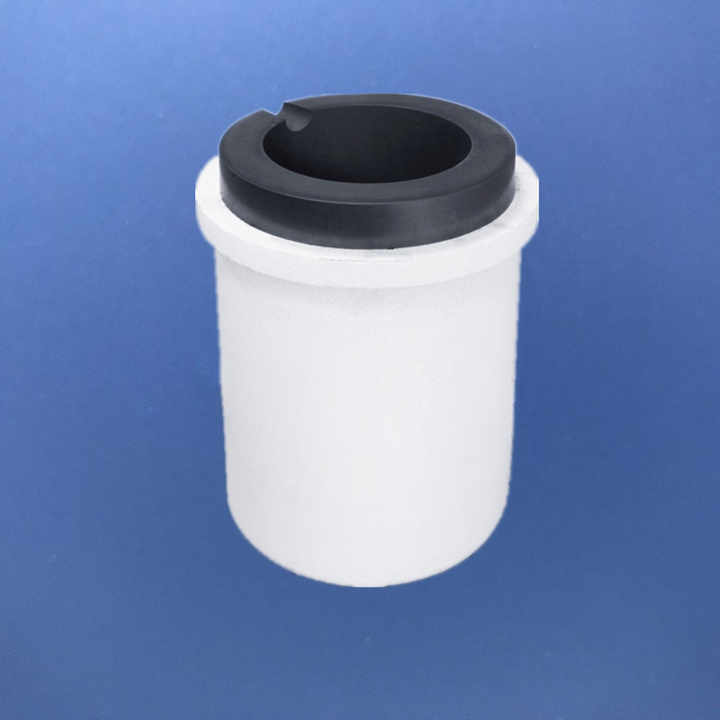
- Smelting: The collected anode mud is then subjected to smelting, where it is melted at high temperatures to separate the valuable metals from non-metal impurities.
- Chemical Refining: Further chemical refining processes, such as leaching and solvent extraction, may be used to isolate individual metals, such as gold and platinum, from the mixture.
The Role of Anode Mud in the Refining Industry
While anode mud might appear as waste at first glance, it actually represents a hidden resource in the refining industry. The presence of high-value metals such as gold, platinum, and palladium makes anode mud a critical by-product. Many refiners specialize in the recovery of these metals, contributing to both the financial and material efficiency of the refining process.
In fact, the recovery of precious metals from anode mud can be so significant that it sometimes represents a major source of income for refineries. By maximizing the extraction of valuable metals from anode mud, refineries can minimize waste, improve profitability, and contribute to the overall sustainability of metal refining.
In the electrolytic refining of silver, anode mud is a by-product that contains valuable metals such as gold and platinum. While it forms as a result of impurities settling out of the electrolytic process, the economic value of these materials makes anode mud a vital resource in the refining industry. The recovery and refining of precious metals from anode mud not only improve the efficiency of silver refining but also provide an important revenue stream for refiners.
Understanding the role of anode mud in silver refining underscores its importance in metallurgical operations and highlights the interconnectedness of refining processes in extracting the maximum value from raw materials.