Releated Products
-
-
-
-
-
-
-
-
-
-
gold and silver smelting and refining processes
Understanding Gold and Silver Smelting and Refining Processes
The processes of gold and silver smelting and refining are critical in transforming raw ores into pure metals suitable for various applications. Both gold and silver hold significant value in industries such as jewelry, electronics, and investment. This article will delve into the smelting and refining processes of these precious metals, highlighting their importance and methodologies.
The Basics of Smelting
Smelting is the first step in extracting metals from their ores. The process involves heating the ore to a high temperature in the presence of a reducing agent, which facilitates the separation of the metal from impurities. For both gold and silver, the smelting process is crucial for obtaining a concentrated form of the metal.
Gold Smelting Process
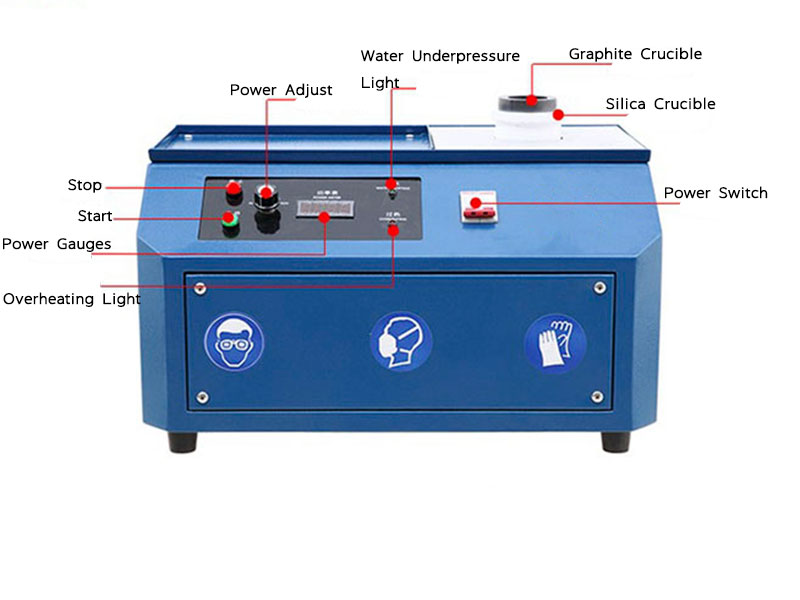
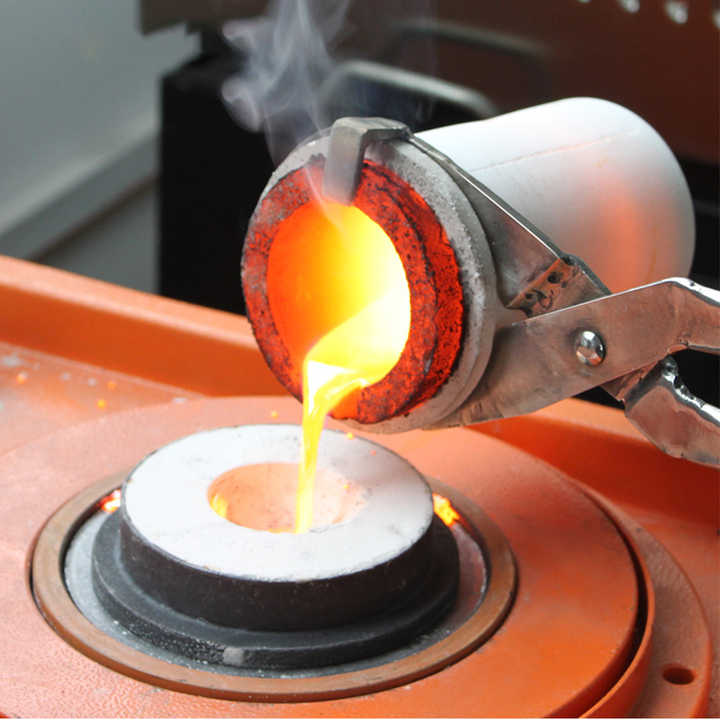
In the gold smelting process, the ore is first crushed and ground to liberate the gold particles. Afterward, it is mixed with flux, typically composed of silica and borax. This mixture helps remove impurities during the smelting process. The gold-bearing material is then placed in a furnace, where it is heated to temperatures exceeding 1,000 degrees Celsius.
Once molten, the gold can be poured into molds, forming what is known as doré bars. These bars typically contain about 60-90% gold, along with other metals, which necessitates further refining to achieve higher purity.
Silver Smelting Process
The silver smelting process shares similarities with gold but also has unique aspects. Silver ore is first crushed and ground, then mixed with a flux, usually consisting of soda ash or borax. This mixture is heated in a furnace, reaching temperatures around 1,200 degrees Celsius.
As the ore melts, the impurities rise to the surface, forming a slag that can be removed. The molten silver is then poured into molds, resulting in silver bars that require refining to enhance purity.
The Refining Process
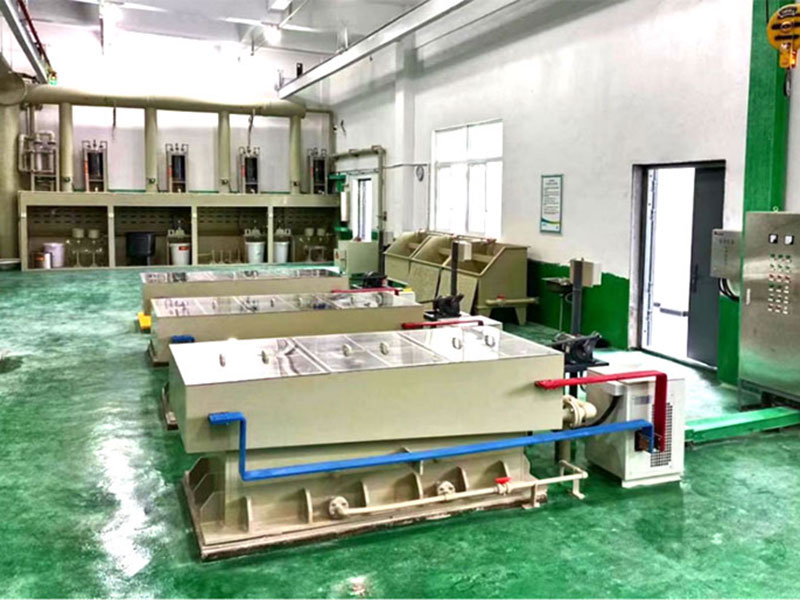
Refining is the subsequent step following smelting, where the doré bars undergo further treatment to achieve higher purity levels. The methods used for refining gold and silver can vary, but they generally include electrolytic refining and chemical processes.
Gold Refining Techniques
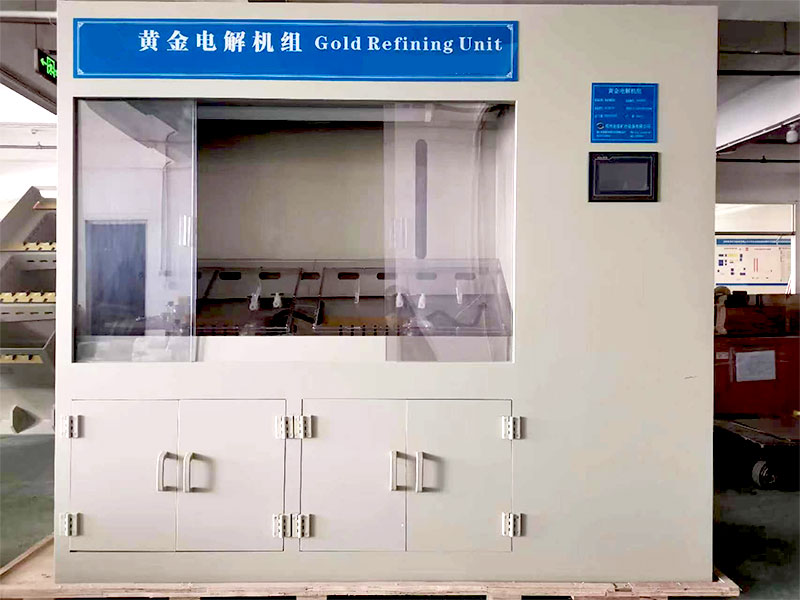
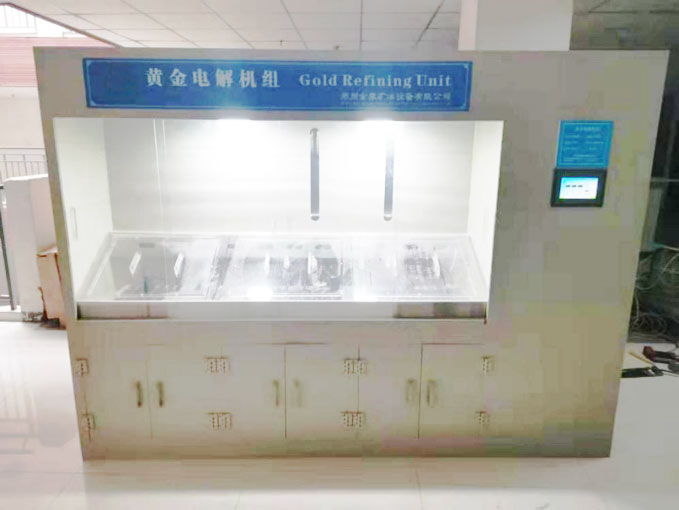
Electrolytic refining is one of the most common methods for refining gold. In this process, the doré bar is dissolved in a solution of hydrochloric acid and gold chloride. An electric current is passed through the solution, causing pure gold to deposit onto cathodes, while impurities remain in the solution.
Another method involves the use of aqua regia, a mixture of hydrochloric and nitric acids, which dissolves gold. This solution is then treated to precipitate pure gold.

Silver Refining Techniques
Similar to gold, silver can be refined using electrolytic methods. In this case, silver is dissolved in a cyanide solution, and electric current is applied. Pure silver deposits on cathodes, while impurities remain in the solution.
Chemical refining of silver can also involve using sulfuric acid to dissolve the silver and then precipitating it using a solution of sodium chloride.
The Importance of These Processes
The smelting and refining processes for gold and silver are essential not only for the extraction of these valuable metals but also for ensuring their quality and purity. High-purity gold and silver are crucial for applications in jewelry, electronics, and investment.
Furthermore, these processes have environmental implications. Proper management and implementation of smelting and refining can minimize the environmental impact, such as reducing emissions and managing waste effectively.
Gold and silver smelting and refining processes are vital in the journey from ore to pure metal. Understanding these processes helps stakeholders in the mining, jewelry, and electronics industries appreciate the complexity and importance of obtaining high-quality gold and silver. As technology advances, the efficiency and environmental sustainability of these processes will likely improve, ensuring that these precious metals continue to meet global demands.