Releated Products
-
-
-
-
-
-
-
-
-
-
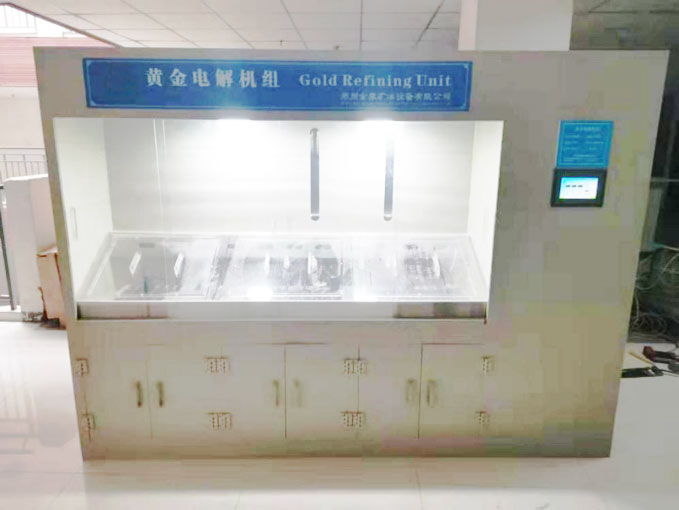
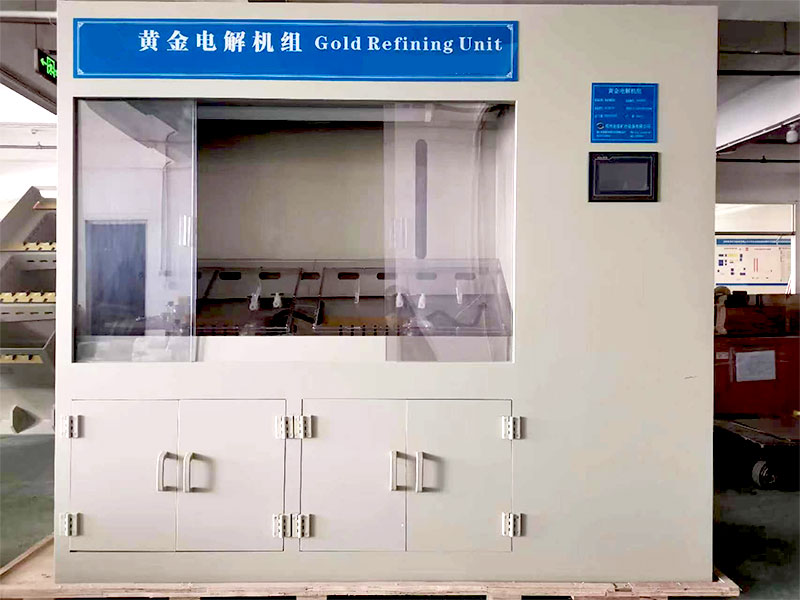
Gold Refining Electrolysis Machine
Gold Refining Electrolysis: Pioneering Precision with FRT Machinery
In the intricate world of precious metal refining, precision and efficiency are paramount. Gold refining electrolysis machines, particularly those engineered by FRT Machinery, stand out for their ability to transform raw gold into high-purity bullion with unparalleled accuracy. This article delves into the mechanics, benefits, and operational nuances of these advanced systems, highlighting why they are indispensable in modern refineries.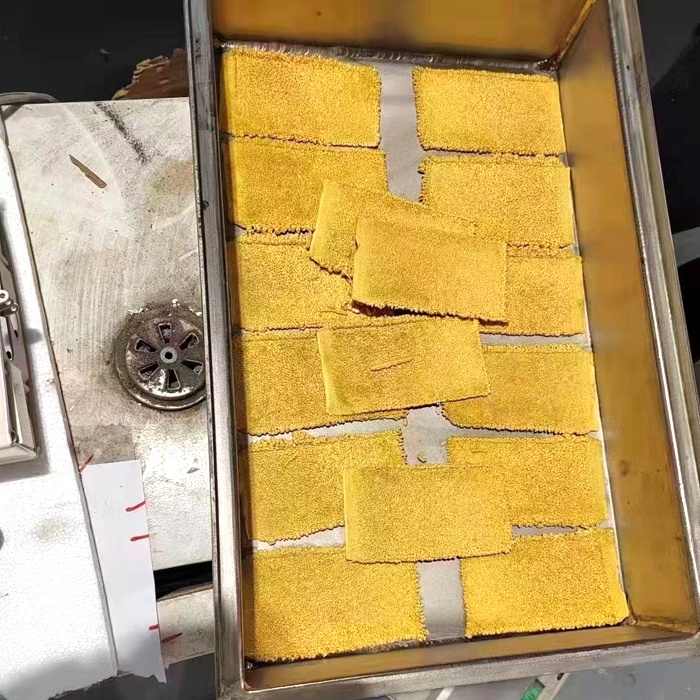
Gold Refining Electrolysis Process
The process begins with the dissolution of impure gold into an electrolyte solution, typically composed of hydrochloric acid and sodium chloride. Anodes made from the impure gold are suspended in this solution, alongside cathodes usually made from stainless steel or pure gold. When an electric current is passed through the solution, pure gold migrates to the cathode, leaving behind impurities. Over time, a layer of refined gold builds up on the cathode, which can then be harvested and further processed.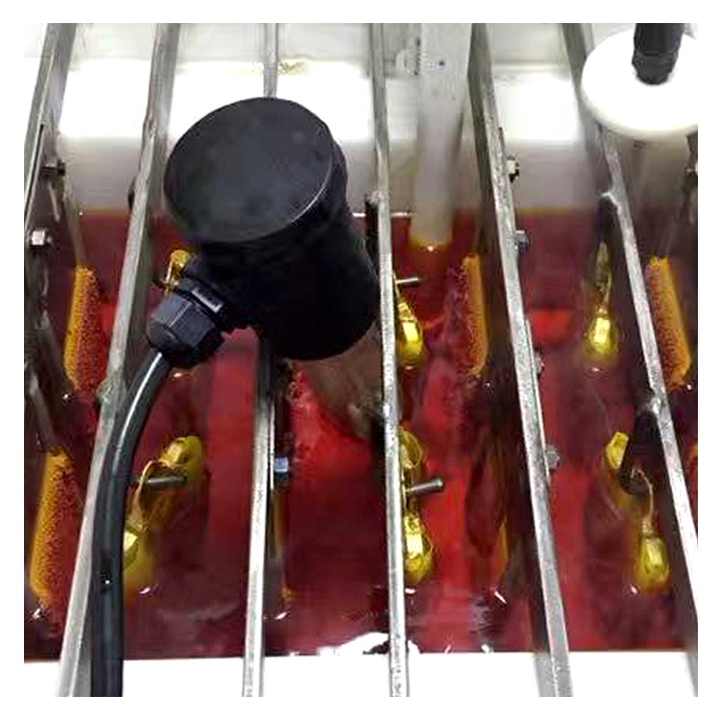
Benefits of Using a Gold Refining Electrolysis Machine
FRT Machinery’s gold refining electrolysis machines offer several advantages over traditional refining methods. They achieve higher purity levels, often exceeding 99.99%, essential for applications requiring ultra-pure gold. Additionally, these machines operate with minimal environmental impact, utilizing processes that reduce waste and emissions. Their automated design ensures consistent output quality, reducing the need for manual intervention and thereby lowering labor costs.
Technological Advancements in Gold Refining Electrolysis
Recent innovations in electrolysis technology have significantly enhanced the efficiency and sustainability of gold refining. FRT Machinery has incorporated advanced features such as optimized electrode designs and intelligent control systems that monitor and adjust parameters in real-time. These advancements not only improve the rate of gold deposition but also ensure that the entire process operates at optimal conditions, maximizing yield and minimizing energy consumption.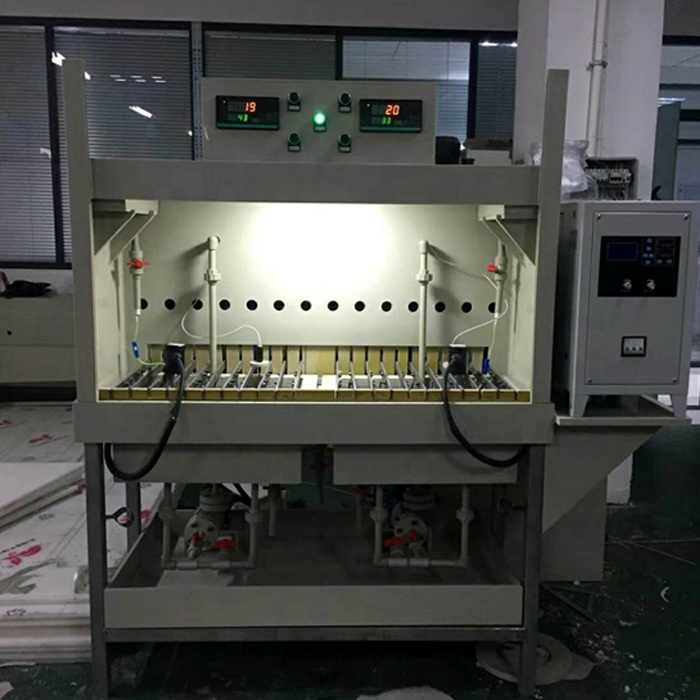
Maintenance and Operational Considerations for Gold Refining Electrolysis Machines
To maintain peak performance, regular maintenance is crucial. FRT Machinery recommends periodic inspections of electrodes, electrolyte solutions, and electrical components. Proper cleaning and replacement of worn parts help prevent contamination and ensure consistent product quality. Training operators on best practices and safety protocols is equally important, as it enhances both productivity and workplace safety.
Applications of Gold Refining Electrolysis Machines
From jewelry manufacturing to electronics production, high-purity gold is in high demand across various industries. FRT Machinery’s electrolysis systems are versatile enough to meet the diverse needs of these sectors. Whether refining small batches for artisanal jewelry or processing large quantities for industrial applications, these machines deliver reliable results, ensuring that businesses can meet stringent quality standards without compromise.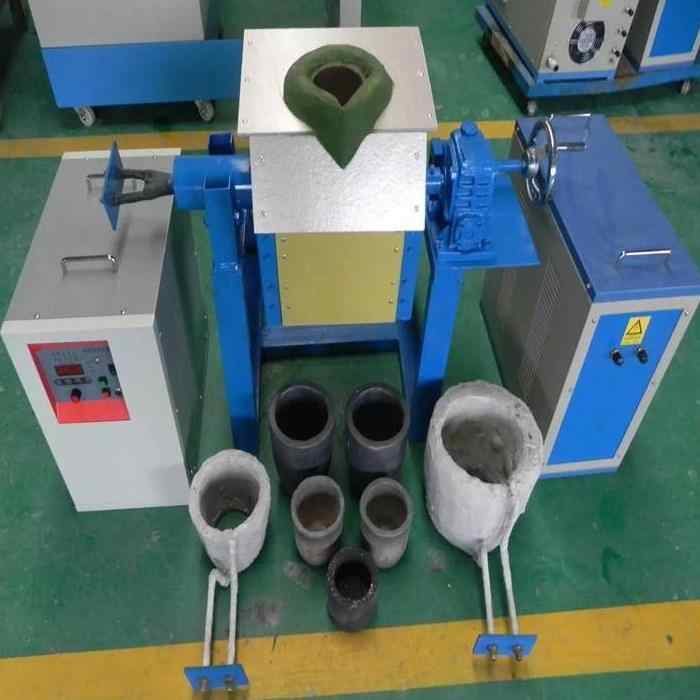
Sustainability and Environmental Impact of Gold Refining Electrolysis
As global awareness of environmental issues grows, the mining and refining industry faces increasing pressure to adopt more sustainable practices. FRT Machinery’s electrolysis technology represents a significant step towards greener refining methods. By minimizing the use of harmful chemicals and reducing energy consumption, these machines contribute to a reduction in the overall carbon footprint of gold refining operations. Furthermore, the ability to recover and recycle electrolyte solutions minimizes waste, aligning with broader efforts to promote circular economy principles within the industry.
In conclusion, the adoption of gold refining electrolysis machines, especially those developed by FRT Machinery, represents a strategic move towards achieving higher efficiency, better sustainability, and superior product quality in the gold refining sector. As technology continues to evolve, these systems will undoubtedly play a pivotal role in shaping the future of precious metal refining.