Releated Products
-
-
-
-
-
-
-
-
-
-
gold refining meaning

Gold Refining Meaning: Understanding the Process of Purifying Gold
Gold has been valued for its beauty and rarity for thousands of years. However, raw gold, as it is extracted from the earth, is not pure. It contains impurities and other metals that must be removed to achieve high levels of purity. This is where gold refining comes into play. Understanding the gold refining meaning helps us appreciate the complexities of transforming raw gold into the pure form that is used in jewelry, electronics, and investment.
Gold Refining Meaning in Simple Terms
In its simplest form, the gold refining meaning refers to the process of removing impurities and unwanted elements from raw gold to produce pure gold. This process is crucial because raw gold, also known as unrefined or impure gold, often contains other metals such as copper, silver, or traces of iron. The goal of refining is to separate these impurities, resulting in gold that meets the purity standards required for commercial use.
The Importance of Understanding Gold Refining Meaning
Gold refining is not just a technical process—it is essential for ensuring the quality and value of gold in the marketplace. Understanding the gold refining meaning highlights why this process is vital for industries that rely on gold, from jewelers to electronic manufacturers. Pure gold is critical for producing reliable, durable products, and the refining process ensures that the gold is of the highest standard.
For investors, knowing the gold refining meaning can also provide insights into the value of gold as an asset. The purity of gold significantly affects its market price, and refined gold is often more desirable due to its higher quality.
Methods That Define Gold Refining Meaning
To fully grasp the gold refining meaning, it is essential to explore the different methods used to achieve gold purity. Over the centuries, various techniques have been developed, each with its own advantages.
Fire Assay Method
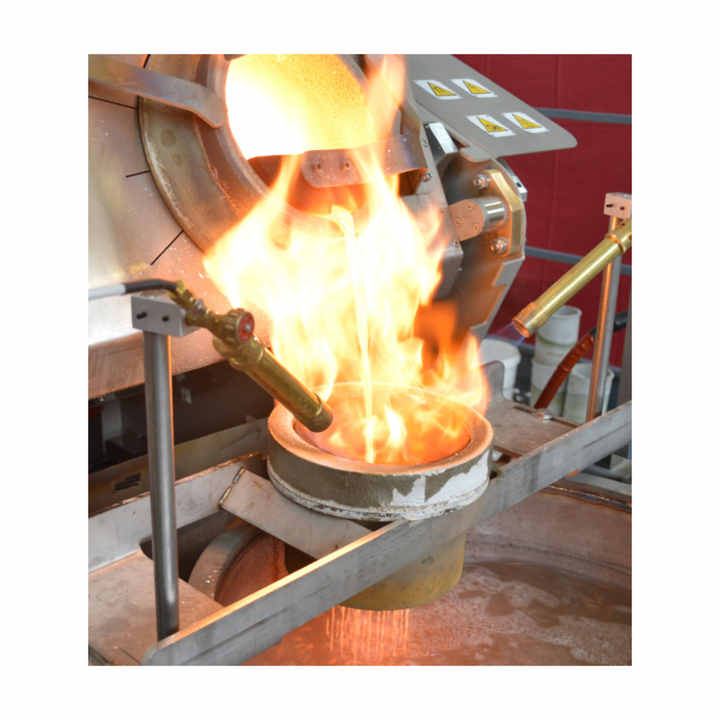
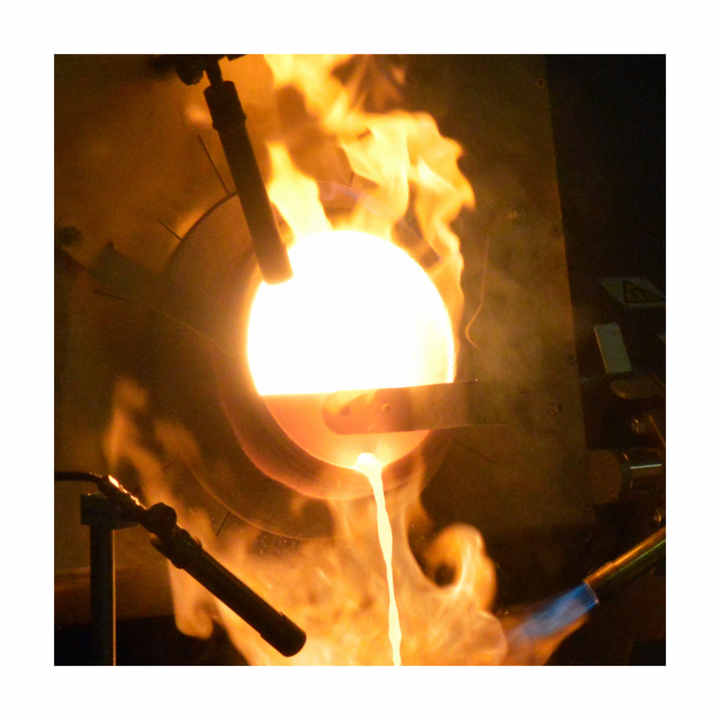
One of the oldest methods of gold refining is the fire assay process. This method involves melting the raw gold and adding chemicals to separate the impurities. Once heated to a high temperature, the impurities are removed, and the pure gold is left behind. This method is effective, though it can be time-consuming and labor-intensive.
Electrolysis in Gold Refining
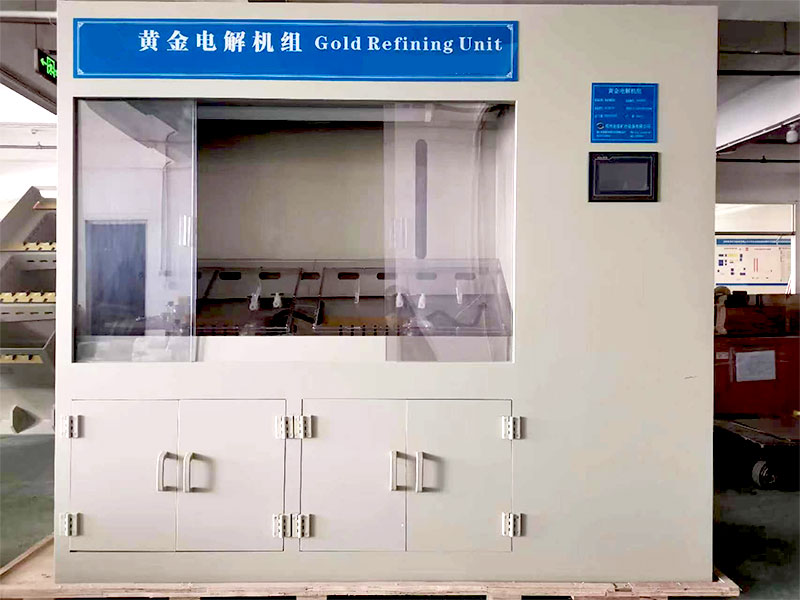
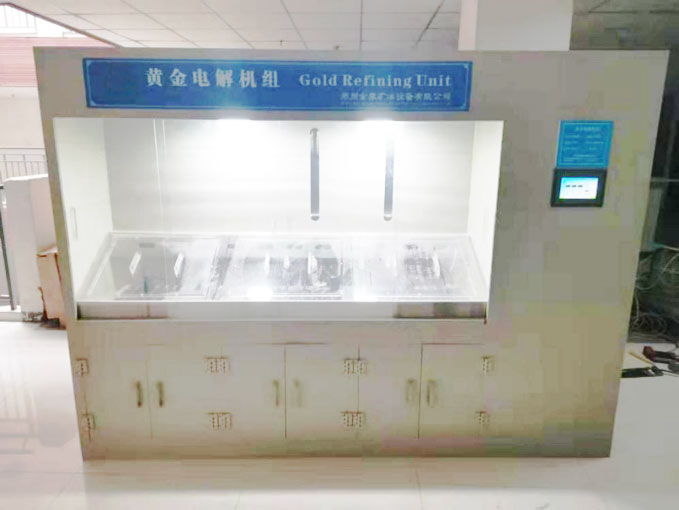
Electrolysis is another technique that further expands our understanding of gold refining meaning. This method uses an electrical current to purify gold. In this process, the impure gold is placed in a solution, and when the electrical current is applied, the gold atoms migrate toward a pure gold cathode, leaving impurities behind. Electrolysis is often favored for its precision and ability to produce gold with a purity of 99.99%.
Chemical-Based Refining
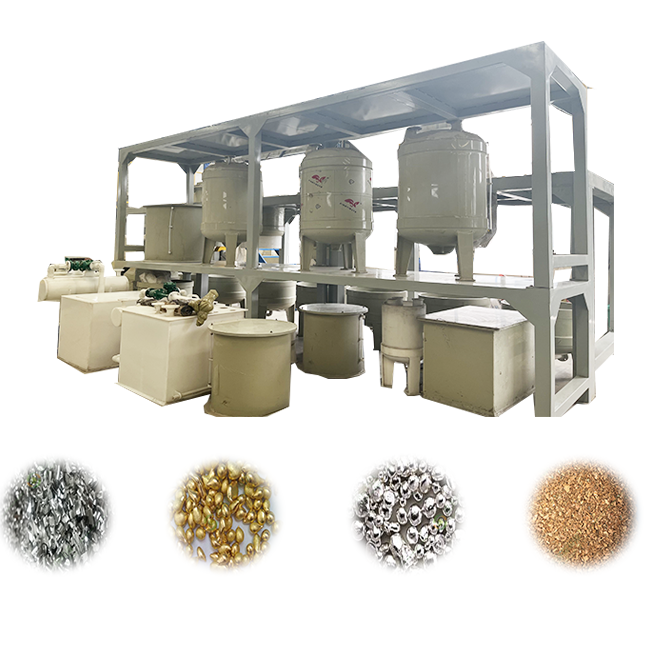
Chemical-based methods are also widely used in gold refining. These techniques often involve dissolving gold in acid solutions, separating the gold from impurities on a molecular level. This process is faster than fire assay and can be scaled to handle larger amounts of gold. Understanding this chemical method enhances the gold refining meaning by showing how science and chemistry play a crucial role in modern gold purification.
Why the Meaning of Gold Refining Matters in Various Industries
For many industries, understanding the gold refining meaning is essential. The jewelry industry relies on pure gold for crafting high-quality products that are durable and valuable. Impurities in gold can affect its color, weight, and durability, making the refining process critical to maintaining the quality of jewelry pieces.
Similarly, the electronics industry depends on refined gold for producing connectors, switches, and other components. Gold’s superior conductivity and resistance to corrosion make it indispensable in electronics manufacturing, but only if it is refined to a high level of purity.
The Role of Gold Refining in Investment
From an investment perspective, the gold refining meaning is tied to the value of gold bullion and coins. Investors prefer gold that has been refined to a high purity level, as it holds more value and is easier to trade on the open market. Gold bullion, for instance, is often refined to a purity of 99.5% or higher, making it a trusted store of value in times of economic uncertainty.
Environmental Considerations in Gold Refining
In recent years, the gold refining meaning has expanded to include concerns about environmental sustainability. Traditional refining methods, such as those using mercury or cyanide, can have negative environmental impacts if not properly managed. As a result, more refiners are turning to eco-friendly refining techniques that minimize waste and reduce the use of harmful chemicals. These methods not only help protect the environment but also align with the growing demand for sustainable practices in the gold industry.
In essence, the gold refining meaning encompasses the processes and methods used to transform raw gold into a pure form suitable for use in various industries. From ancient fire assay methods to modern electrolysis and chemical techniques, gold refining remains a critical step in producing high-quality gold. Whether you are a jeweler, an electronics manufacturer, or an investor, understanding the meaning and importance of gold refining is key to appreciating the value and significance of this precious metal.