Releated Products
-
-
-
-
-
-
-
-
-
-
Gold Smelting Costs
Understanding the Fundamentals of Gold Smelting Costs
Gold smelting is a critical process in the extraction of gold from its ore. It involves the use of heat to separate gold from other elements and compounds. While the process itself is ancient, modern techniques have significantly improved efficiency and reduced environmental impact. However, understanding the costs associated with gold smelting remains essential for both small-scale and large-scale operations. This article will delve into various aspects of gold smelting costs, providing insights that can help optimize operations and reduce expenses.
Initial Investment Costs for Gold Smelting Equipment
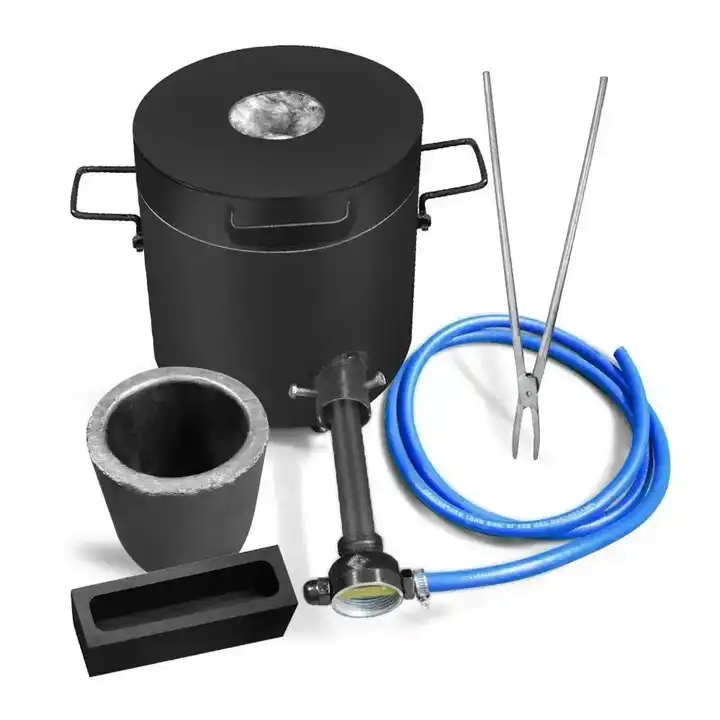
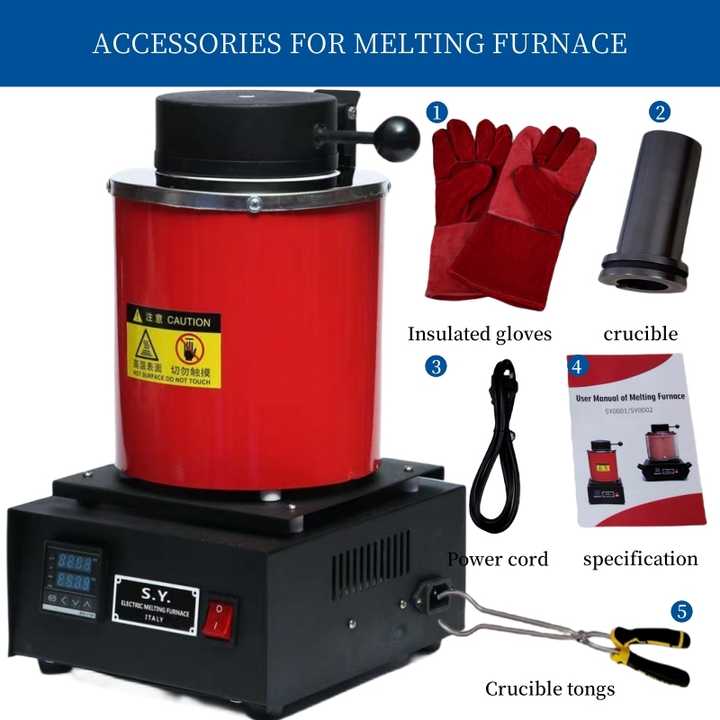
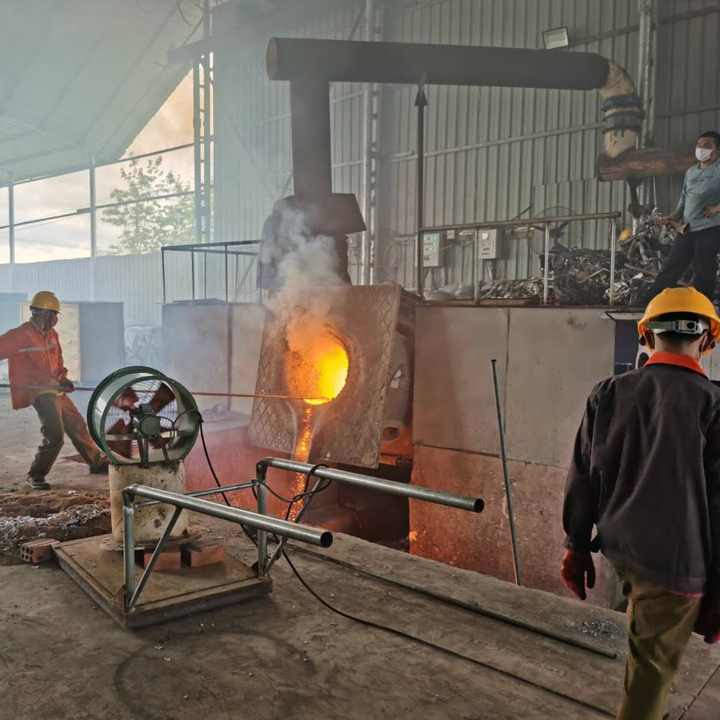
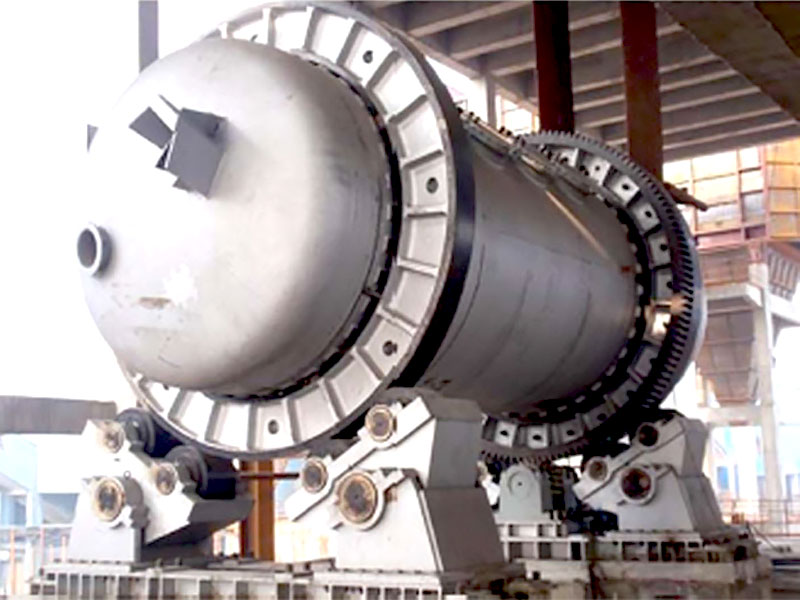
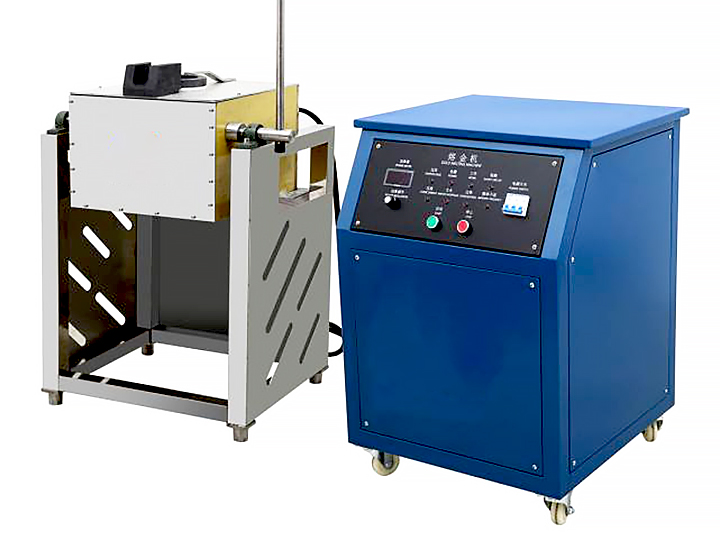
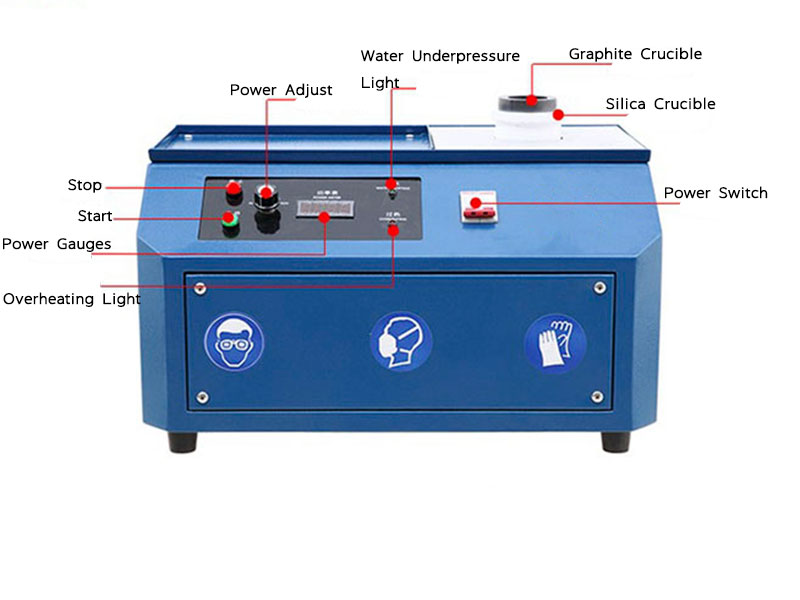
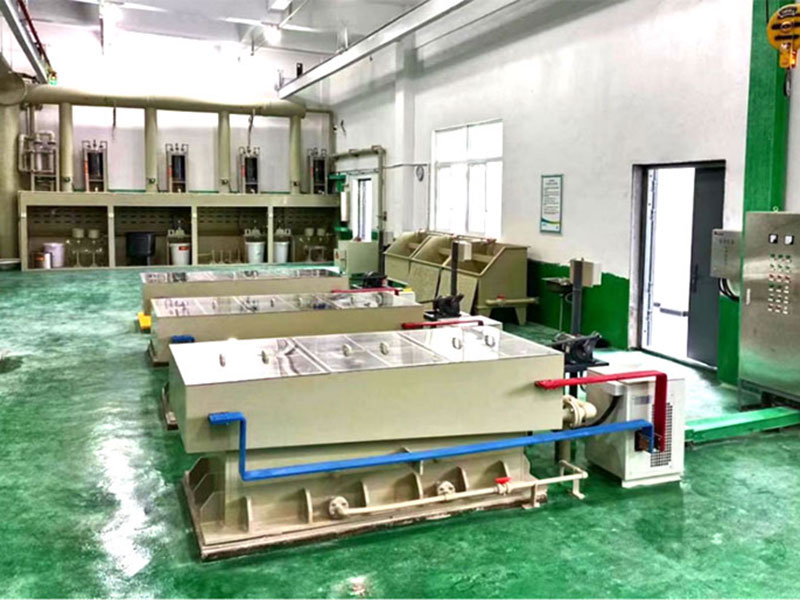
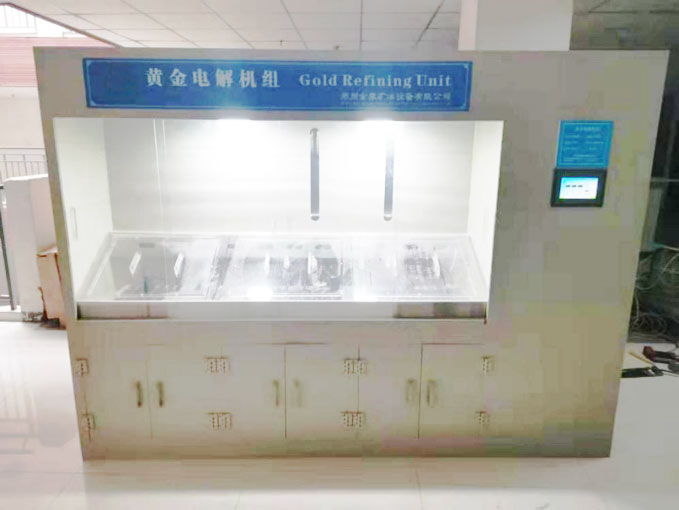
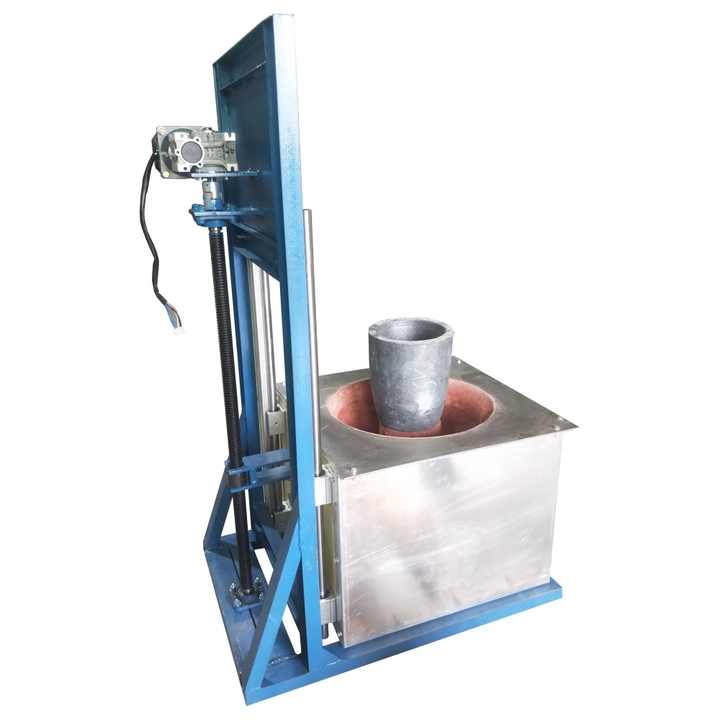
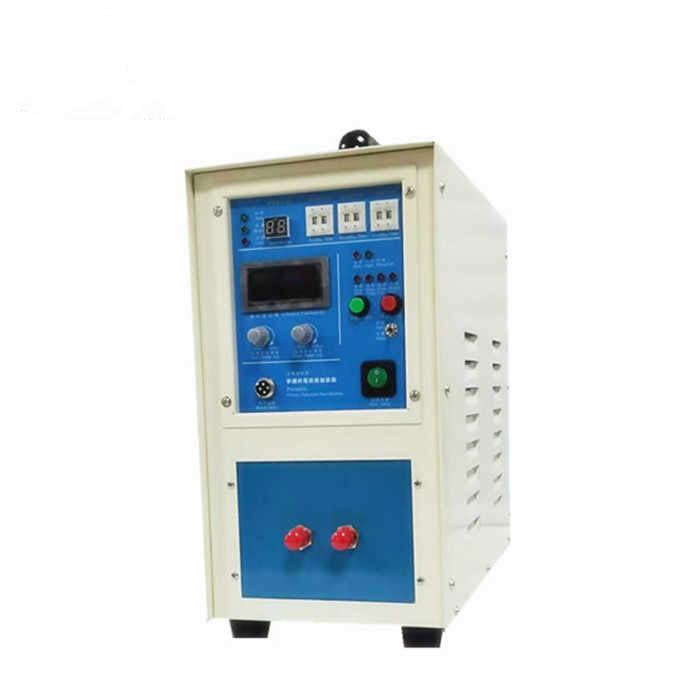
The initial investment required for setting up a gold smelting operation can be substantial. This includes the cost of purchasing necessary equipment such as furnaces, crucibles, and ventilation systems. FRT Machinery offers a range of high-quality smelting equipment designed to meet the specific needs of gold processing. When considering initial investment costs, it’s important to factor in not only the purchase price but also installation and setup fees.
Operational Costs in Gold Smelting Processes
Operational costs encompass ongoing expenses that are incurred during the smelting process. These typically include fuel consumption, labor, maintenance, and operational overheads. Fuel costs can vary widely depending on the type of furnace used and the local price of fuel. FRT Machinery’s efficient furnaces are designed to minimize fuel consumption, thereby reducing this aspect of operational costs. Regular maintenance is crucial to ensure optimal performance and longevity of smelting equipment, further impacting operational costs.
Environmental Compliance and Its Impact on Gold Smelting Costs
Environmental regulations play a significant role in the overall cost of gold smelting. Compliance with these regulations often requires additional investments in pollution control technologies and waste management systems. FRT Machinery provides solutions that help smelters meet stringent environmental standards without compromising productivity. Understanding and planning for these costs upfront can prevent unexpected financial burdens down the line.
Energy Efficiency and Cost Reduction in Gold Smelting
Energy efficiency is a key factor in controlling costs within gold smelting operations. High energy consumption directly translates into higher operating costs. By investing in energy-efficient technologies and practices, smelters can significantly reduce their energy bills. FRT Machinery specializes in developing and implementing advanced technologies that enhance energy efficiency, making them an ideal partner for smelters looking to cut costs while improving sustainability.
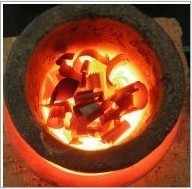
Labor Costs and Automation in Modern Gold Smelting
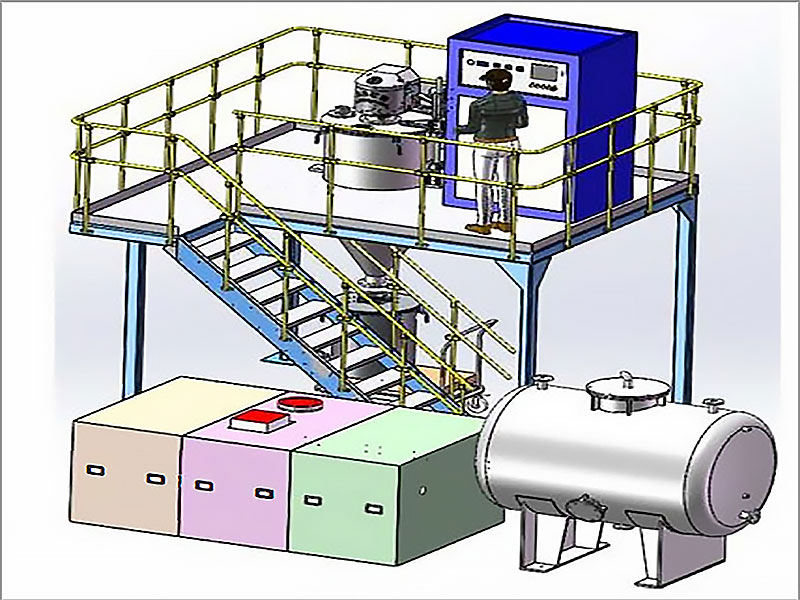
Labor is another significant component of gold smelting costs. As automation technology advances, many processes that were once labor-intensive can now be automated. This shift reduces the need for manual labor, potentially lowering labor costs over time. However, initial investments in automation technology must be considered alongside potential savings. FRT Machinery offers automated solutions tailored to the gold smelting industry, helping businesses navigate this transition effectively.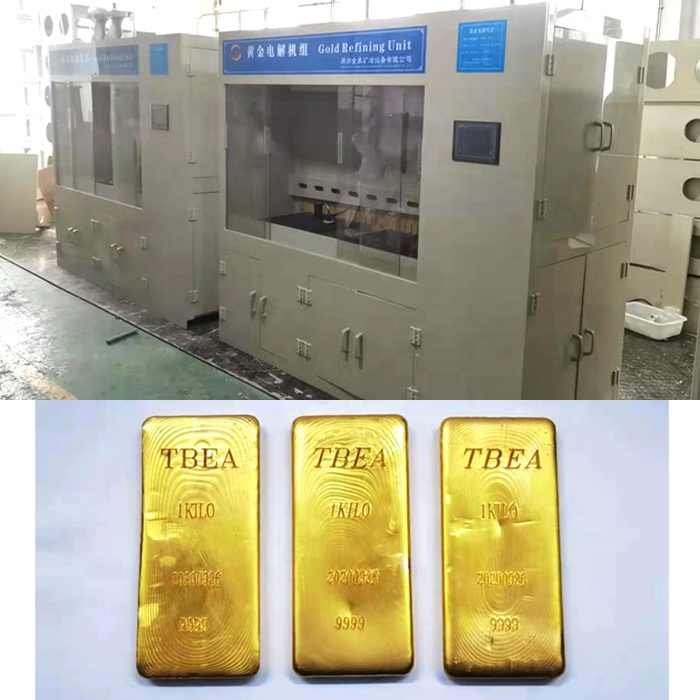
Conclusion: Optimizing Gold Smelting Costs Through Strategic Investments
To remain competitive in today’s market, smelters must continuously seek ways to optimize their operations and reduce costs. By carefully evaluating initial investment decisions, focusing on operational efficiencies, adhering to environmental standards, enhancing energy efficiency, and embracing automation, companies can achieve sustainable cost reduction. Partnering with experienced manufacturers like FRT Machinery can provide invaluable support in navigating these challenges, ensuring that your gold smelting operation remains profitable and environmentally responsible.