Releated Products
-
-
-
-
-

-
-
-
-
-
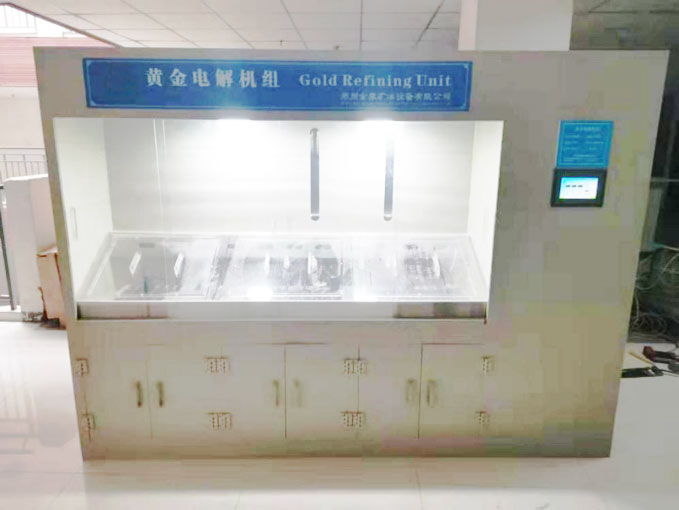
gold smelting crucible
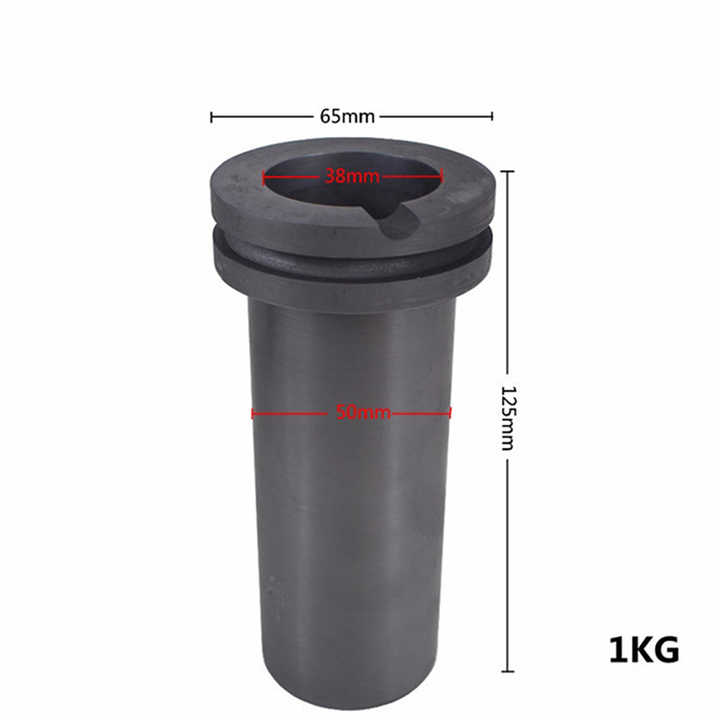
Gold Smelting Crucible: Essential Tool for Gold Smelting
A gold smelting crucible is a vital tool used in the process of melting and refining gold. It is designed to withstand the extremely high temperatures required to melt gold and other precious metals. Whether you are involved in large-scale industrial gold refining or small-scale smelting, choosing the right crucible is essential for efficiency and safety.
What Is a Gold Smelting Crucible?
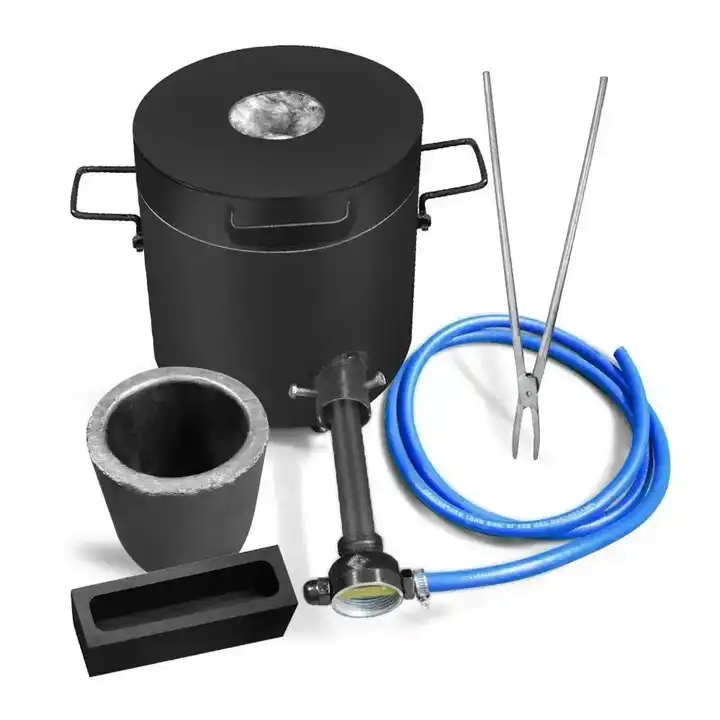
A gold smelting crucible is a container specifically designed to hold gold or other materials during the smelting process. Made from materials such as graphite, ceramic, or silicon carbide, crucibles are heat-resistant and durable, ensuring they can handle the intense heat required for melting metals. The crucible protects the molten gold from contamination and helps control the smelting environment, making it a crucial component of the smelting process.
Materials Used in Gold Smelting Crucibles
There are several types of materials used in the production of crucibles. The choice of material depends on the temperature requirements and the type of metals being smelted.
Graphite Crucibles
Graphite crucibles are widely used in the smelting of gold because of their excellent heat conductivity and ability to withstand high temperatures. Graphite’s thermal properties allow it to evenly distribute heat, ensuring that the gold melts uniformly. Additionally, graphite is chemically inert, meaning it does not react with the gold during smelting, preserving the purity of the molten metal.
Ceramic Crucibles
Ceramic crucibles are another popular choice for smelting gold. These crucibles can withstand very high temperatures, making them suitable for smelting not just gold but also other precious metals. Ceramic crucibles are typically more affordable than graphite but may not conduct heat as efficiently.
Silicon Carbide Crucibles
Silicon carbide crucibles combine the strength of ceramics with the heat conductivity of graphite, making them a versatile choice for smelting gold. They are known for their durability and resistance to thermal shock, meaning they can endure rapid temperature changes without cracking or breaking.

Importance of the Gold Smelting Crucible
The crucible is not just a container but plays a crucial role in the gold smelting process. It ensures the proper melting of gold while maintaining its purity and protecting the molten metal from contaminants. Let’s explore some of the key reasons why a quality gold smelting crucible is so important.
Withstanding High Temperatures
One of the primary functions of a gold smelting crucible is to withstand the high temperatures required to melt gold, which has a melting point of 1,064°C (1,947°F). A high-quality crucible can handle this intense heat without breaking down or releasing harmful particles into the molten gold.
Maintaining Purity
During the smelting process, the gold must be kept free from impurities. The material of the crucible plays a significant role in ensuring that no foreign elements contaminate the molten metal. A chemically inert crucible, such as one made of graphite, helps to maintain the purity of the gold, making it suitable for refining into pure bars or coins.
Durability and Reusability
A good crucible should be durable enough to withstand multiple uses. Whether you are smelting gold as a hobbyist or in an industrial setting, having a durable crucible reduces the overall cost of gold smelting operations. Crucibles made of materials like silicon carbide are known for their long lifespan, allowing for repeated use without deterioration.
How to Use a Gold Smelting Crucible
Using a gold smelting crucible correctly is essential to ensure safety and efficiency. Below is a general guide on how to properly use a crucible during the smelting process.
Preparing the Crucible
Before starting the smelting process, it is essential to prepare the crucible. Ensure that the crucible is clean and free from any residue from previous smelting sessions. A clean crucible helps prevent contamination and ensures that the gold maintains its purity during the melting process.
Placing Gold into the Crucible
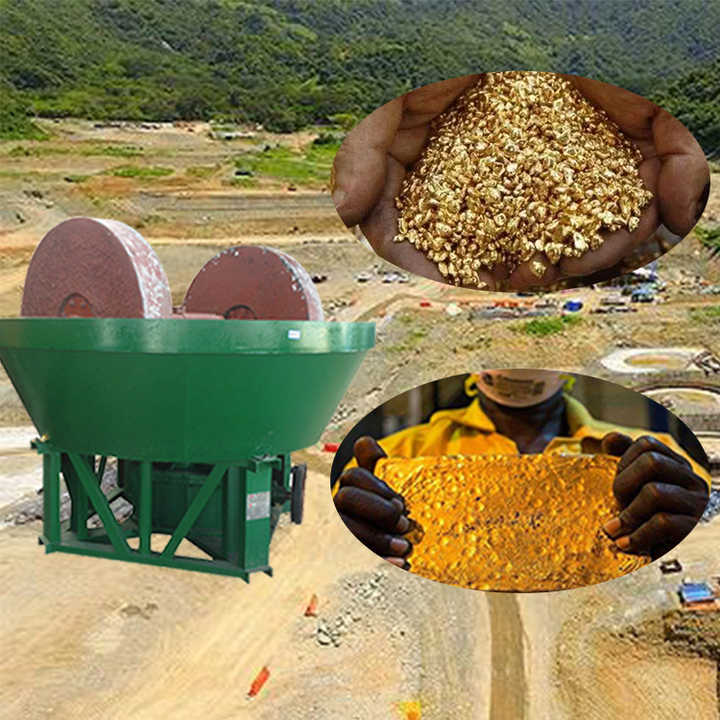
Once the crucible is prepared, place the gold material inside it. The gold can be in the form of ore, scrap, or any other gold-bearing material. Ensure that the crucible is not overfilled, as this can lead to spillage and uneven heating.
Heating the Crucible
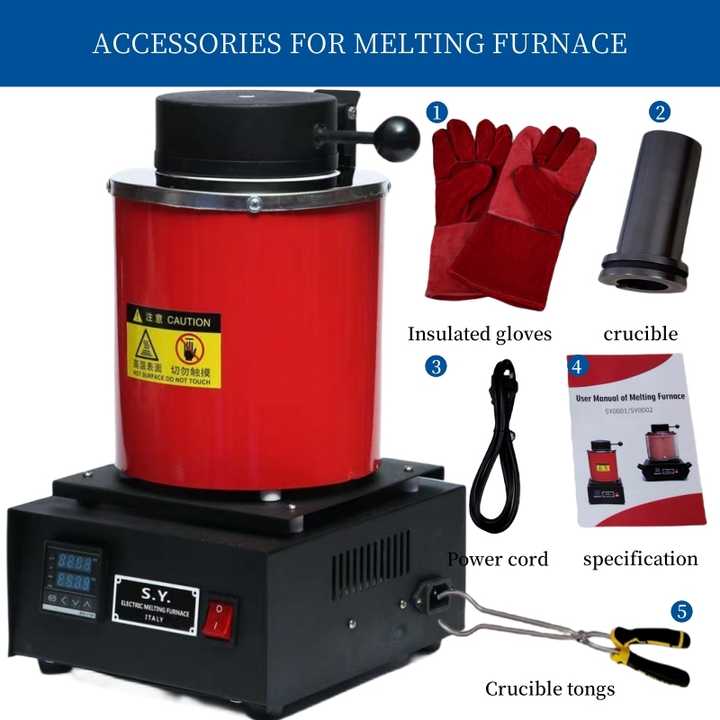
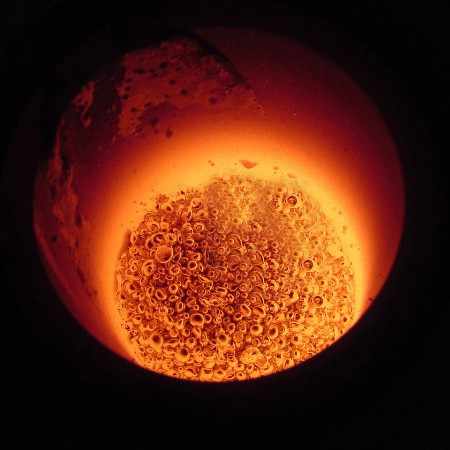
The next step involves heating the crucible in a furnace or with a torch until the gold reaches its melting point. It is essential to heat the crucible gradually to prevent thermal shock, which could cause the crucible to crack. Once the gold has melted, impurities rise to the surface and can be skimmed off, leaving behind pure molten gold.
Pouring the Molten Gold
After the gold has melted and impurities are removed, the molten gold can be poured into a mold to form bars, coins, or other shapes. It is crucial to pour the molten gold carefully to avoid accidents and ensure that the gold is evenly distributed in the mold.
Tips for Maintaining a Gold Smelting Crucible
To extend the life of your gold smelting crucible and ensure it continues to perform effectively, proper maintenance is essential.
Avoiding Thermal Shock
One of the most common causes of crucible damage is thermal shock. Always heat and cool the crucible gradually to prevent cracking. Avoid placing a cold crucible directly into a hot furnace or exposing a hot crucible to cold air.
Cleaning After Use
After each smelting session, clean the crucible thoroughly. Any leftover material from previous smelting sessions can cause contamination in future smelts. Use a soft brush to remove debris and store the crucible in a dry, cool place to prevent moisture absorption.
Inspecting for Cracks
Regularly inspect your crucible for signs of wear, such as cracks or chips. Even minor cracks can lead to failure during smelting, causing the molten gold to spill. Replace the crucible if any significant damage is noticed.
Choosing the Right Crucible for Your Gold Smelting Needs
When selecting a gold smelting crucible, it is essential to consider your specific needs and the type of gold material you are working with. Here are some factors to consider:
Material Type
As mentioned earlier, crucibles come in different materials such as graphite, ceramic, and silicon carbide. Graphite is ideal for those seeking high heat conductivity, while ceramic and silicon carbide offer durability and resistance to thermal shock.
Size and Capacity
Choose a crucible that matches the size and quantity of gold you plan to smelt. If you are working with small quantities, a smaller crucible will be more efficient. For larger-scale smelting, a crucible with a higher capacity will be necessary.
Cost and Durability
While ceramic crucibles are generally more affordable, graphite and silicon carbide crucibles offer longer-lasting performance. Consider the cost versus the expected lifespan of the crucible when making your decision.
A gold smelting crucible is an indispensable tool in the process of melting and refining gold. Choosing the right crucible, whether made of graphite, ceramic, or silicon carbide, is essential for ensuring the purity, efficiency, and safety of the smelting process. By properly using and maintaining your crucible, you can extend its life and achieve high-quality results in your gold smelting endeavors.