Releated Products
-
-
-
-
-
-
-
-
-
-
industral silver smelting
Industrial Silver Smelting: An Overview
Industrial silver smelting plays a crucial role in the mining and refining industry. This process involves the extraction of silver from its ores and the subsequent purification to obtain high-quality silver ready for various applications. In this article, we will explore the methods, equipment, and benefits associated with industrial silver smelting.
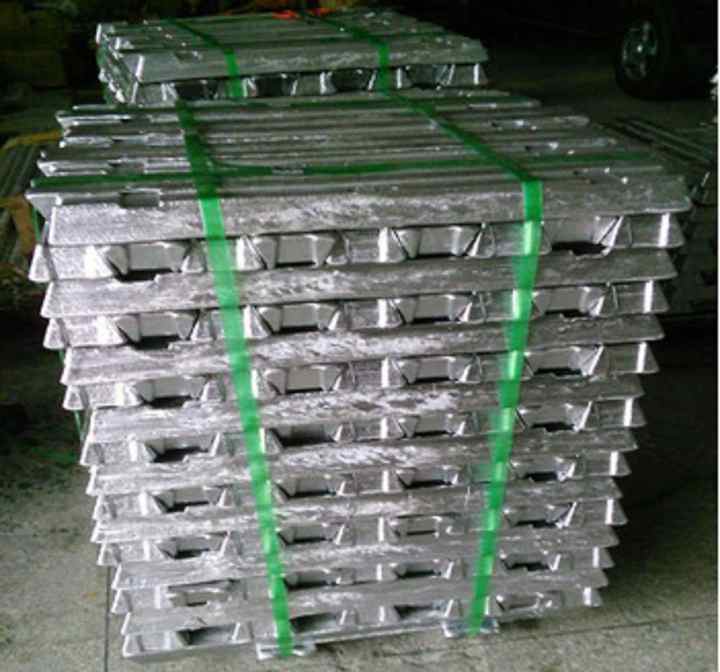
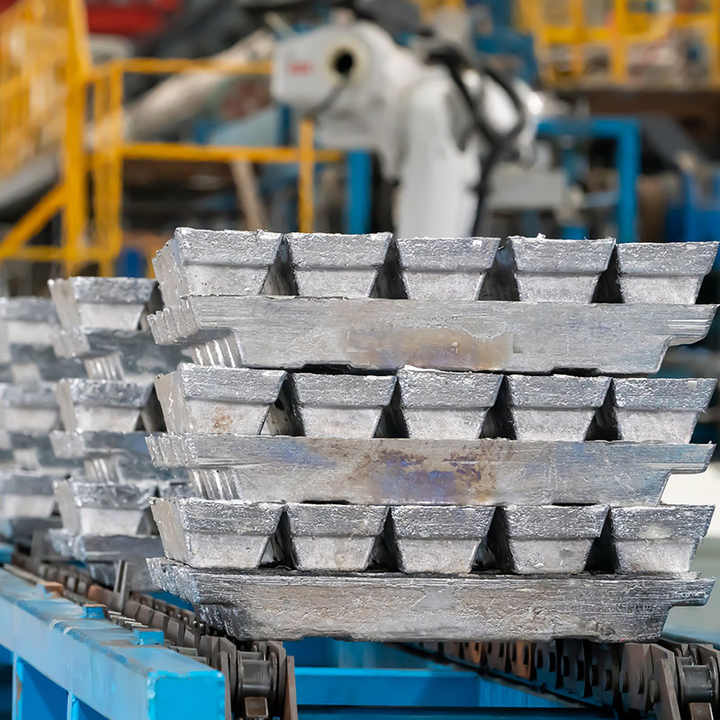
Understanding Silver Smelting
Silver smelting is the process of heating silver ore to extract the metal. This typically involves a combination of physical and chemical processes, including roasting, smelting, and refining. The goal is to separate silver from other minerals and impurities present in the ore.
Common Methods of Industrial Silver Smelting
Several methods are employed in industrial silver smelting, each with its advantages and challenges.
Pyrometallurgical Process
The pyrometallurgical process is the most common method for smelting silver. This involves heating the ore in a furnace to high temperatures, usually between 1,000°C and 1,200°C. The process can be summarized in the following steps:
- Roasting: The silver ore is first roasted to convert silver sulfides into oxides. This step also helps to remove some impurities, such as arsenic.
- Smelting: The roasted material is then mixed with fluxes (such as silica, borax, or soda ash) and heated in a furnace. The fluxes help to separate impurities from the molten silver.
- Separating: During the smelting process, the molten material is poured into a mold, allowing the silver to settle at the bottom while slag (impurities) floats to the top.
Hydrometallurgical Process
In some cases, the hydrometallurgical process is used, particularly for low-grade ores or waste materials. This method involves the use of chemicals to dissolve silver from the ore. Key steps include:
- Leaching: The ore is treated with a cyanide solution, which selectively dissolves silver while leaving most other minerals behind.
- Precipitation: The dissolved silver is then precipitated from the solution using zinc or another suitable reagent.
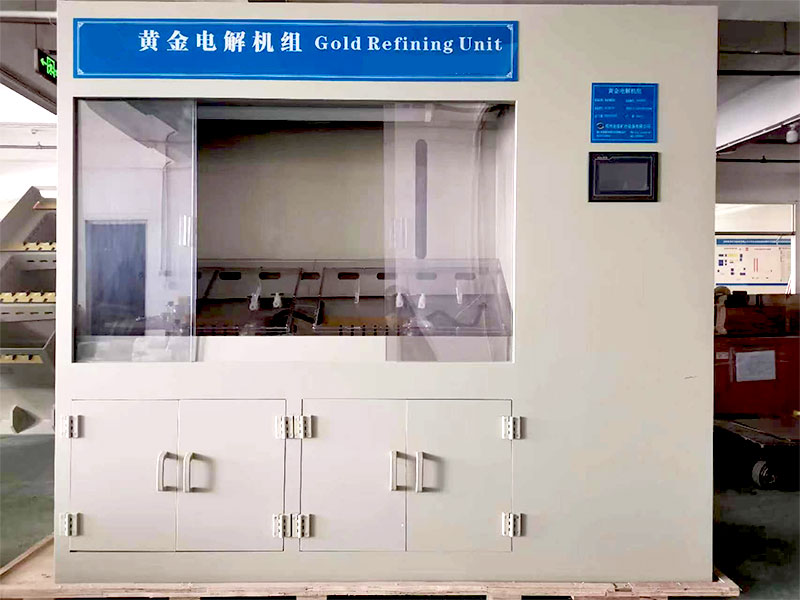
- Refining: The precipitated silver is further purified through processes like electrolysis or cupellation to achieve high purity levels.
Equipment Used in Industrial Silver Smelting
The success of silver smelting largely depends on the equipment used in the process. Key pieces of equipment include:
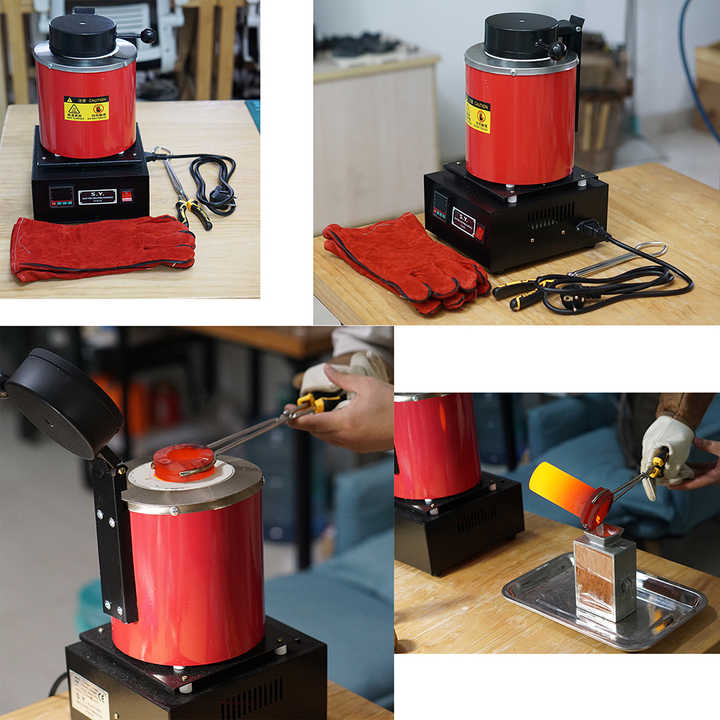
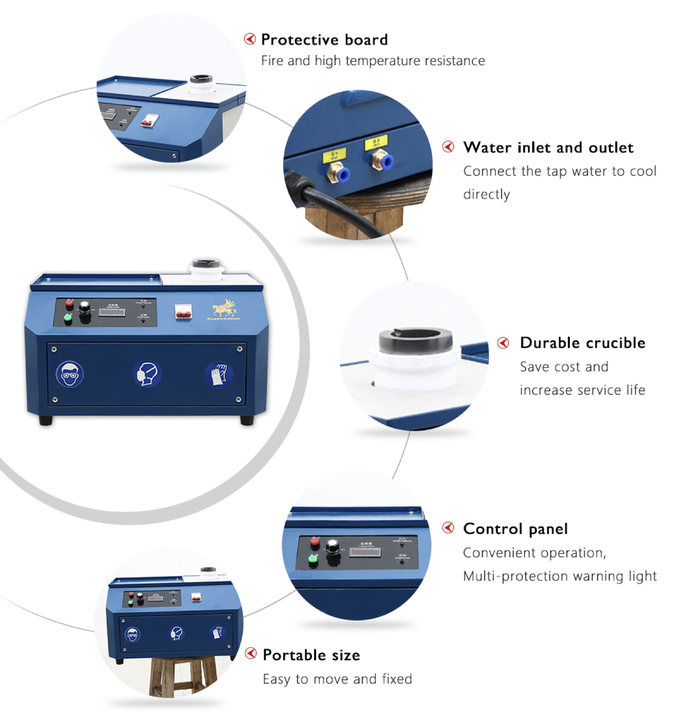
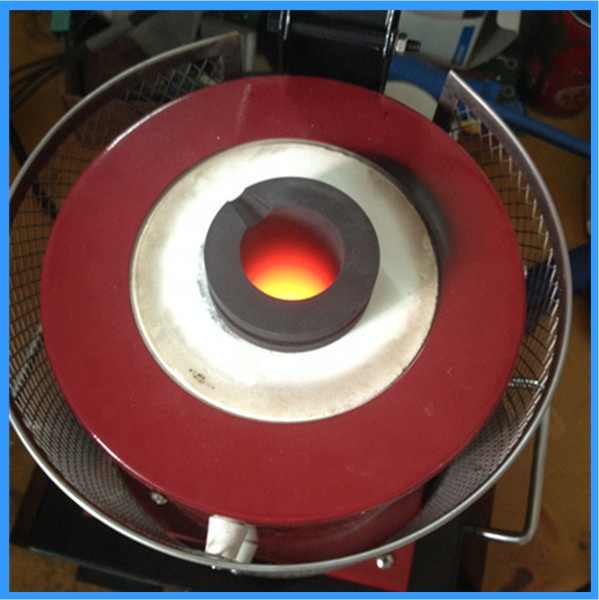
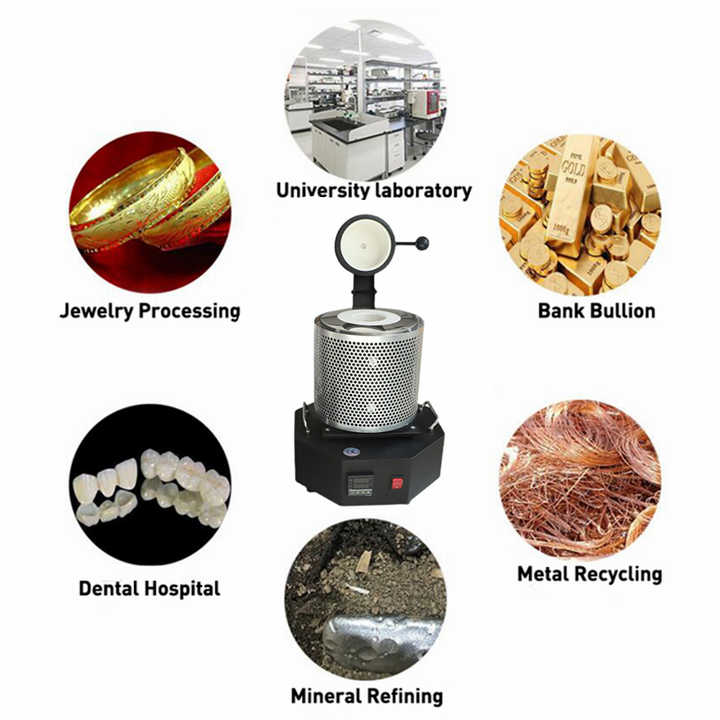
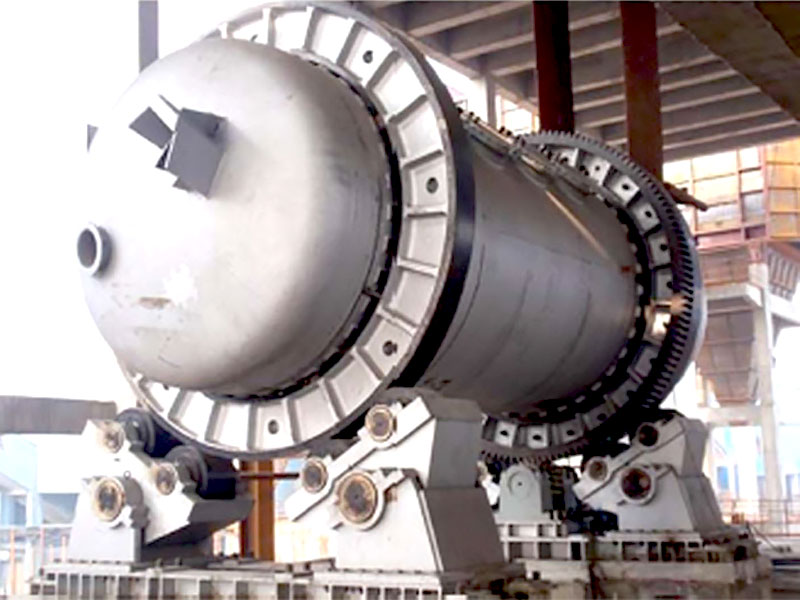
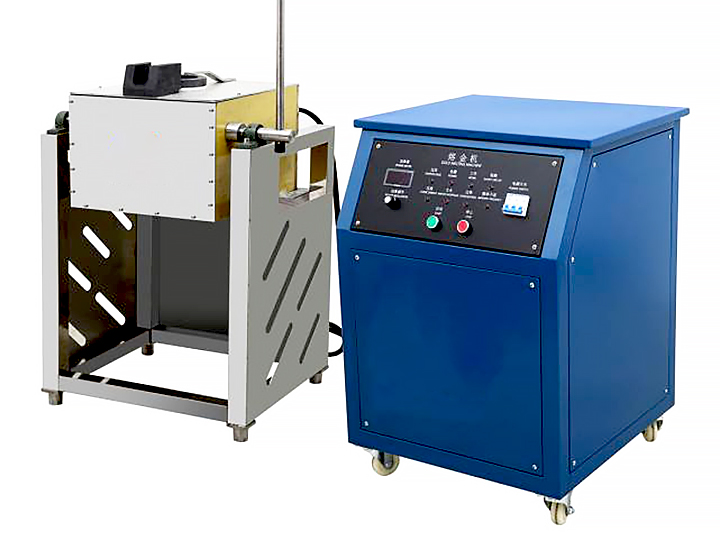
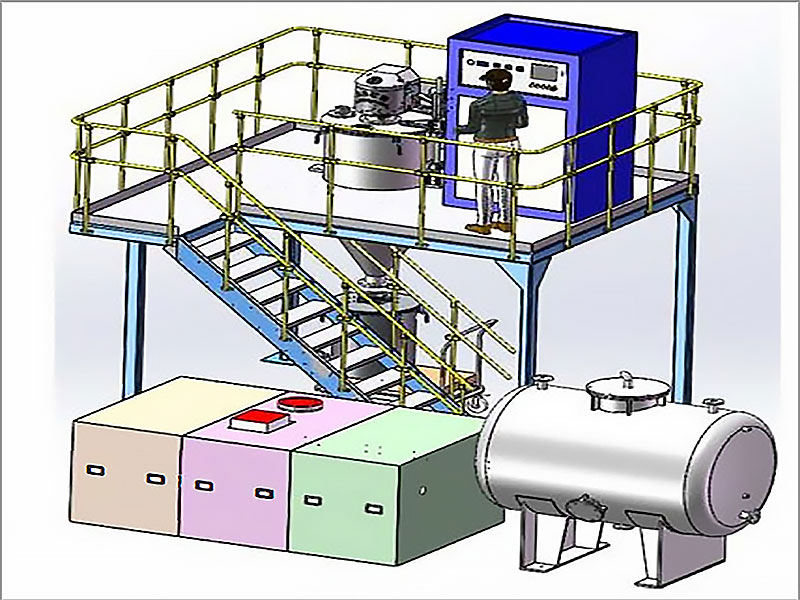
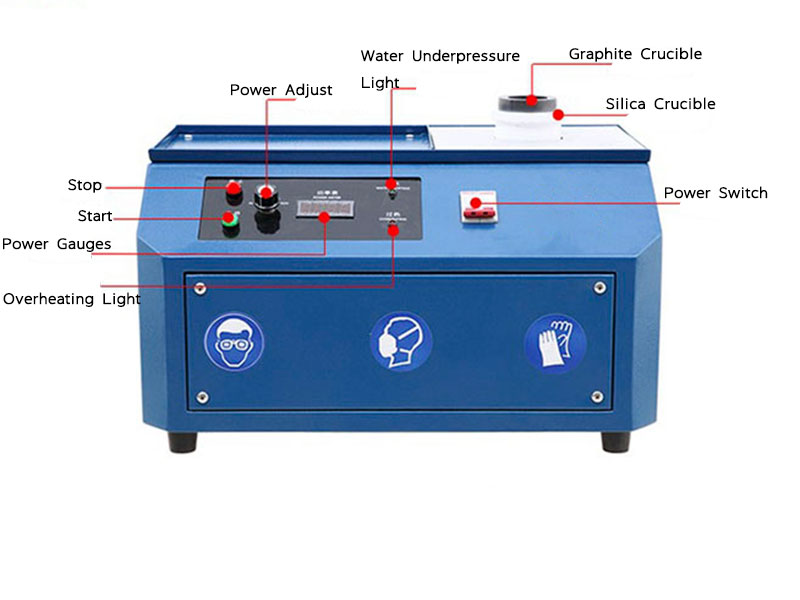
- Furnaces: Various types of furnaces, including electric arc furnaces and induction furnaces, are used to achieve the high temperatures required for smelting.
- Crucibles: Made from materials that can withstand extreme heat, crucibles hold the silver ore during the smelting process.
- Flotation Cells: In some cases, flotation cells are used to separate silver from other minerals before smelting.
Benefits of Industrial Silver Smelting
Industrial silver smelting offers numerous benefits:
- Resource Recovery: Smelting allows for the recovery of silver from ores that may otherwise be considered waste, maximizing resource utilization.
- High Purity: The refining processes employed in smelting ensure that the resulting silver is of high purity, suitable for various industrial applications.
- Economic Viability: The ability to efficiently extract and refine silver contributes to the economic viability of mining operations.
Industrial silver smelting is an essential process in the mining and refining industry, enabling the extraction and purification of silver for various applications. By understanding the methods, equipment, and benefits associated with this process, stakeholders can better appreciate the role of silver smelting in today’s economy. Whether through pyrometallurgical or hydrometallurgical methods, the goal remains the same: to recover valuable silver while minimizing environmental impact and optimizing resource use.