Releated Products
-

-
-
-
-

-
-
-
-
-

Refining Gold With Household Chemicals
Refining Gold With Household Chemicals: A Guide by FRT Machinery
Household Chemicals for Gold Refining: An Overview
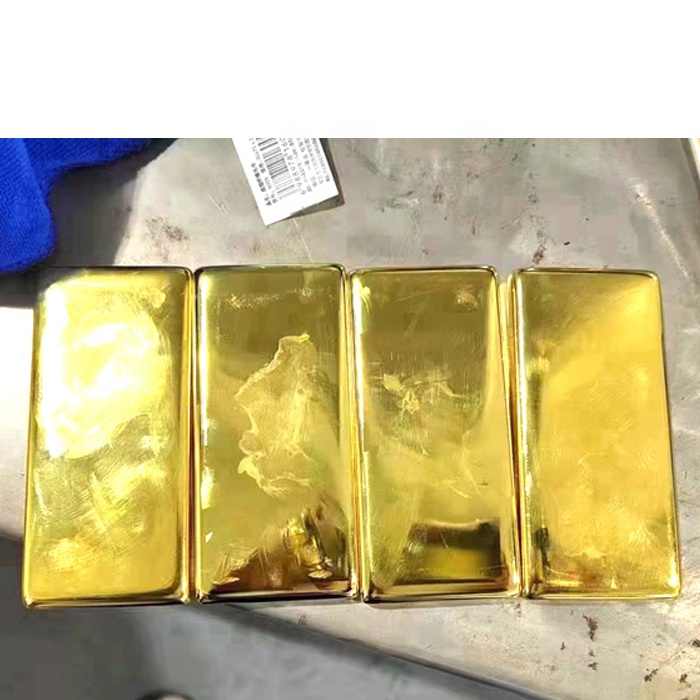
Gold refining, the process of purifying gold to remove impurities, has been a crucial aspect of metallurgy for centuries. While industrial methods often involve complex machinery and high temperatures, it’s fascinating to explore how certain household chemicals can be utilized to refine gold. However, it’s important to note that using household chemicals for gold refining requires extreme caution due to safety concerns and the potential environmental impact. This guide, provided by FRT Machinery, will walk you through some basic concepts and precautions involved in this process.
Preparing Your Workspace for Gold Refining
Before beginning any gold refining process using household chemicals, ensure your workspace is well-ventilated and equipped with appropriate safety gear. Protective goggles, gloves, and clothing are essential to prevent chemical splashes or inhalation of fumes. Additionally, having a fire extinguisher nearby is a good practice when working with flammable substances.
Using Vinegar to Cleanse Gold
One of the simplest methods involves using vinegar, a mild acid commonly found in kitchens. Vinegar can help remove surface dirt and tarnish from gold items. However, it’s not effective for refining gold to a higher purity level. For this method, soak the gold item in vinegar for several hours or overnight. Rinse thoroughly with water and dry.
Applying Hydrogen Peroxide for Mild Oxidation
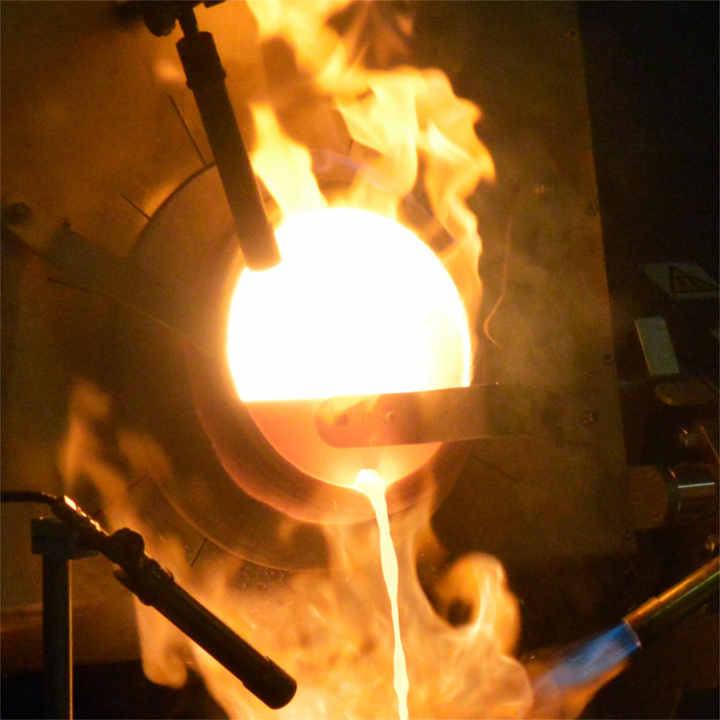
Hydrogen peroxide, another common household chemical, can be used in combination with other substances to oxidize impurities present in gold. By creating a solution of hydrogen peroxide and water, you can treat smaller pieces of gold to break down contaminants. Always wear protective gloves when handling hydrogen peroxide solutions, especially those with higher concentrations.
Employing Saltwater Solutions for Electrolysis
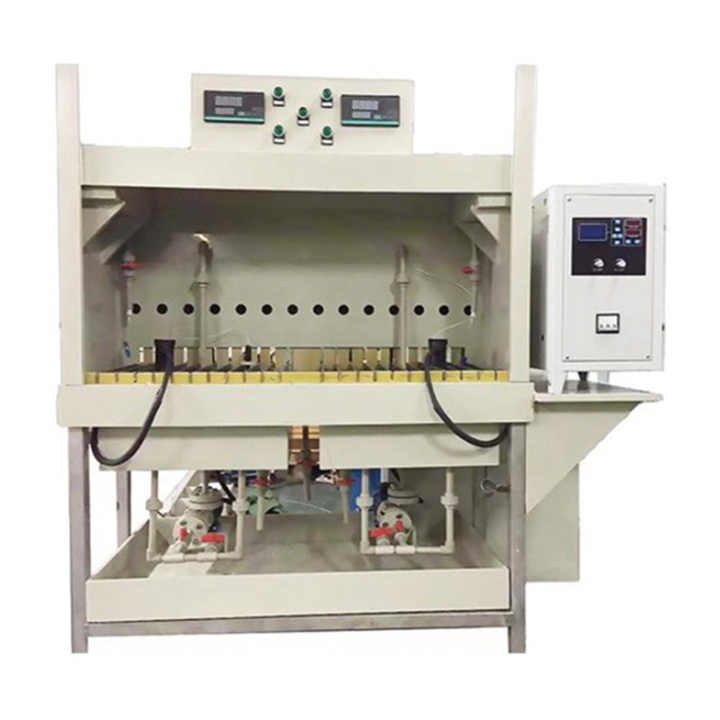
More advanced DIY enthusiasts might consider electrolysis using a saltwater solution. This process involves setting up an electrical current between the gold piece and another metal, submerged in a saltwater bath. The electrical charge causes impurities to separate from the gold, allowing it to settle at the bottom of the container. While this technique can be effective, it requires careful setup and monitoring to avoid damaging the gold or causing electrical hazards.
Cautionary Notes on Using Household Chemicals
While these methods may seem straightforward, they come with significant risks if not handled properly. Chemical burns, toxic fume inhalation, and accidental ingestion are all possible dangers associated with improper use. Moreover, the effectiveness of refining gold using household chemicals is limited compared to professional techniques. It is always recommended to consult experts like FRT Machinery or seek professional services for gold refining to ensure safety and achieve optimal results.
Conclusion: Safety First When Experimenting with Household Chemicals
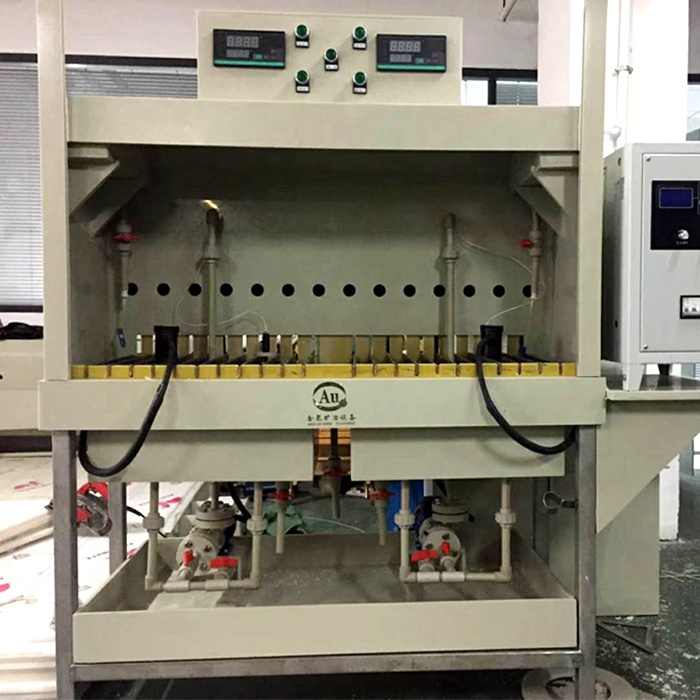
In conclusion, while experimenting with household chemicals for gold refining can be intriguing, it should be approached with utmost care. Remember that these methods are not substitutes for professional refining processes. FRT Machinery emphasizes the importance of safety protocols and encourages readers to prioritize their well-being over experimental techniques. For reliable and efficient gold refining, professional equipment and expertise remain unparalleled.