Releated Products
-
-
-
-
-
-
-
-
-
-
silver refining methods


Silver Refining Methods
Silver refining is a critical process that transforms raw silver materials into a purified, usable form. Whether extracted from ores or recycled from scrap, refining silver requires specialized techniques to remove impurities and produce high-purity silver. There are several silver refining methods, each offering its own advantages and applications. This article will explore these methods and provide an understanding of how silver is refined.
The Importance of Silver Refining
Silver refining is crucial for industries that rely on high-purity silver for products like jewelry, electronics, and silverware. Without proper refining techniques, silver would remain contaminated with other metals and materials, reducing its quality and usability. The refining process enhances the value of silver by increasing its purity, making it suitable for commercial use.
Electrolytic Silver Refining Method
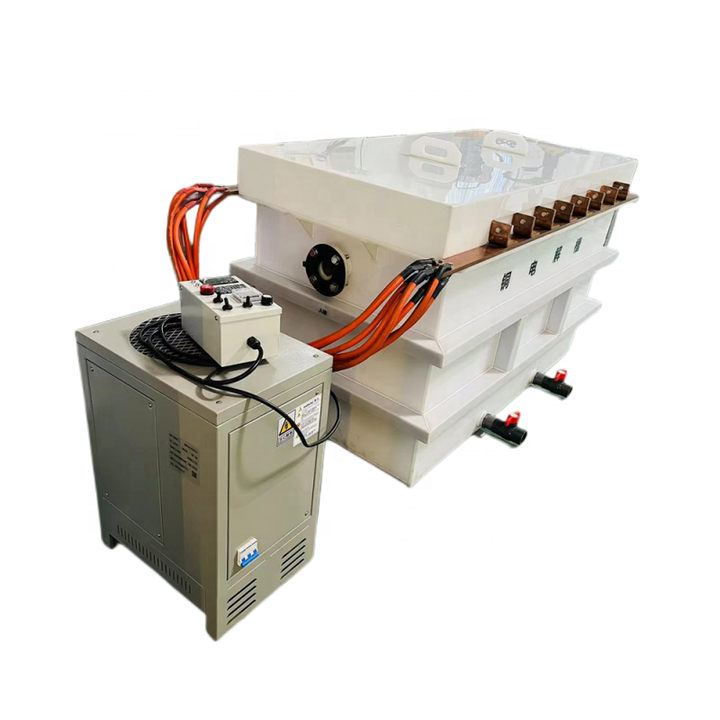
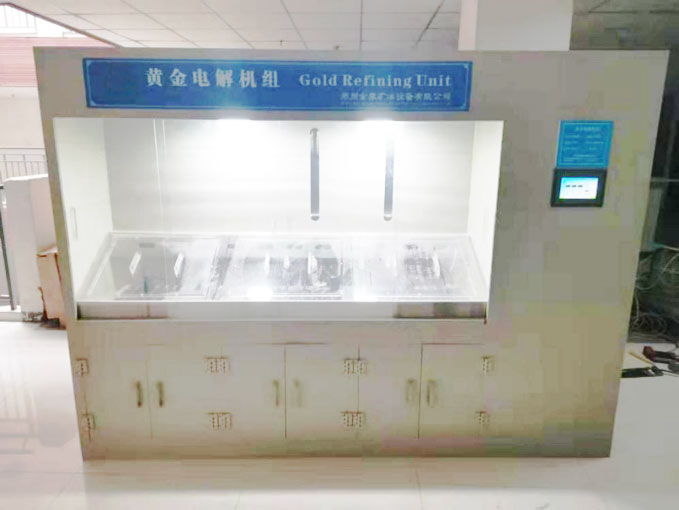
One of the most common silver refining methods is electrolytic refining. This process uses electrical currents to separate pure silver from impurities in a solution.
How Electrolytic Refining Works
In the electrolytic refining process, a silver anode and a cathode are submerged in an electrolyte solution containing silver ions. When an electric current passes through the solution, the silver from the anode dissolves and moves to the cathode, where it deposits as pure silver. Impurities fall away from the anode and collect at the bottom of the cell as anode sludge.
Advantages of Electrolytic Refining
- High purity: Electrolytic refining can produce silver with a purity of up to 99.9%.
- Efficiency: The process allows for continuous refining, making it suitable for large-scale production.
- Recovery of by-products: The anode sludge often contains valuable metals like gold and copper, which can be recovered and reused.
Fire Assaying Method
Fire assaying is an ancient technique that remains in use today, particularly for refining small quantities of silver. This method involves melting silver with a flux in a furnace, causing impurities to separate from the molten silver.
Process of Fire Assaying
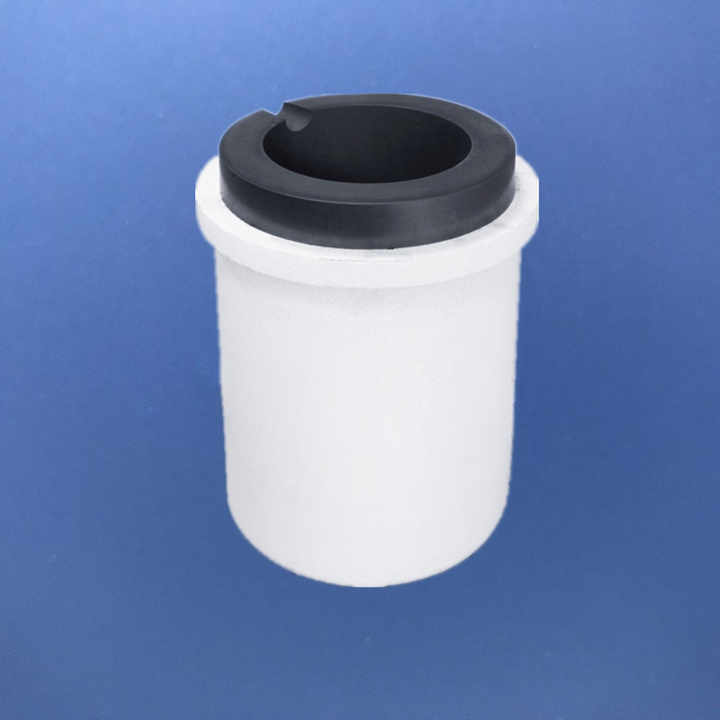
In fire assaying, the silver-bearing material is melted in a furnace with a combination of fluxes such as borax and soda ash. The flux helps bind with the impurities, which form a slag that floats to the top. This slag can then be removed, leaving behind relatively pure molten silver. The molten silver is then poured into molds and cooled.
Advantages of Fire Assaying
- Simplicity: Fire assaying does not require complex machinery, making it accessible to smaller operations.
- Cost-effectiveness: It is relatively inexpensive compared to other refining methods, making it ideal for low-volume refining.
Chemical Silver Refining Method
Another widely used silver refining method is chemical refining. This technique uses various chemicals to dissolve and purify silver from other metals.
The Process of Chemical Refining
The most common chemical refining process for silver is the use of nitric acid. Silver-containing material is dissolved in nitric acid, which forms silver nitrate. The silver is then precipitated from the solution using a chemical like sodium chloride, which turns the silver nitrate into silver chloride. The silver chloride is then reduced to metallic silver using a reducing agent such as zinc or copper.
Advantages of Chemical Refining
- High purity: This method can achieve silver purity levels of up to 99.9%.
- Precision: Chemical refining is particularly useful for small-scale refiners looking for precise control over the refining process.
Vacuum Distillation Method
Vacuum distillation is a more advanced silver refining method that uses high heat and low pressure to separate silver from impurities. This method is primarily used in the refining of silver that is contaminated with metals that have lower boiling points.
How Vacuum Distillation Works
In vacuum distillation, the silver is heated to a temperature where the impurities evaporate but the silver remains. The vacuum environment lowers the boiling points of the impurities, allowing them to be separated more effectively. The result is highly purified silver.
Advantages of Vacuum Distillation
- High purity: This method can achieve exceptional purity levels, often higher than other methods.
- Effective for complex alloys: Vacuum distillation is useful when dealing with silver contaminated by metals that are difficult to separate using other refining methods.
Cupellation Method
Cupellation is a refining technique used to extract silver from lead-containing ores, such as those mined in ancient times. It is still used today, particularly for assaying and small-scale refining.
The Process of Cupellation
In cupellation, the silver-lead alloy is heated in a porous, high-temperature-resistant cupel. The lead oxidizes and is absorbed into the cupel, leaving behind the pure silver. This process works well for silver that is heavily contaminated with lead but requires high temperatures and skilled operation.
Advantages of Cupellation
- Specific for silver-lead alloys: Cupellation is ideal for refining silver when lead is a major impurity.
- Simple and effective: The process is straightforward and can yield highly pure silver with minimal equipment.
Choosing the Right Silver Refining Method
Selecting the appropriate silver refining method depends on the quantity of silver, the level of impurities, and the equipment available. For large-scale industrial refining, electrolytic and chemical methods are often preferred due to their efficiency and ability to produce high-purity silver. For small-scale or artisanal refining, fire assaying or cupellation may be more practical.
Silver refining is a necessary step in ensuring the purity and usability of silver across various industries. Whether through electrolytic, fire assaying, chemical, vacuum distillation, or cupellation methods, each technique offers a way to remove impurities and produce high-purity silver. Understanding these silver refining methods allows businesses and hobbyists alike to choose the most suitable approach for their needs, ensuring that the refined silver meets the desired quality standards.