Releated Products
-
-
-
-
-
-
-
-
-
-
Smelting Gold With Lead
Understanding the Process: Smelting Gold With Lead
Smelting gold with lead is a traditional technique used to extract gold from its ore. This method, also known as the fire assay, has been utilized for centuries due to its effectiveness and relative simplicity. In this article, we will explore the intricacies of smelting gold with lead, including its historical significance, modern applications, and the equipment necessary for efficient processing. Whether you’re a seasoned metallurgist or just beginning to delve into the world of precious metal extraction, understanding the fundamentals of smelting gold with lead can provide valuable insights.
Historical Significance of Smelting Gold With Lead
The practice of smelting gold with lead dates back to ancient times when metallurgists discovered that adding lead to gold ore during the smelting process could lower the melting point of the mixture, making it easier to separate the gold from impurities. This technique became widespread due to its efficiency and was adopted by civilizations across the globe, from the Romans to the Chinese. Today, while more advanced methods exist, smelting gold with lead remains relevant, particularly for small-scale operations and hobbyists.
Equipment Needed for Smelting Gold With Lead
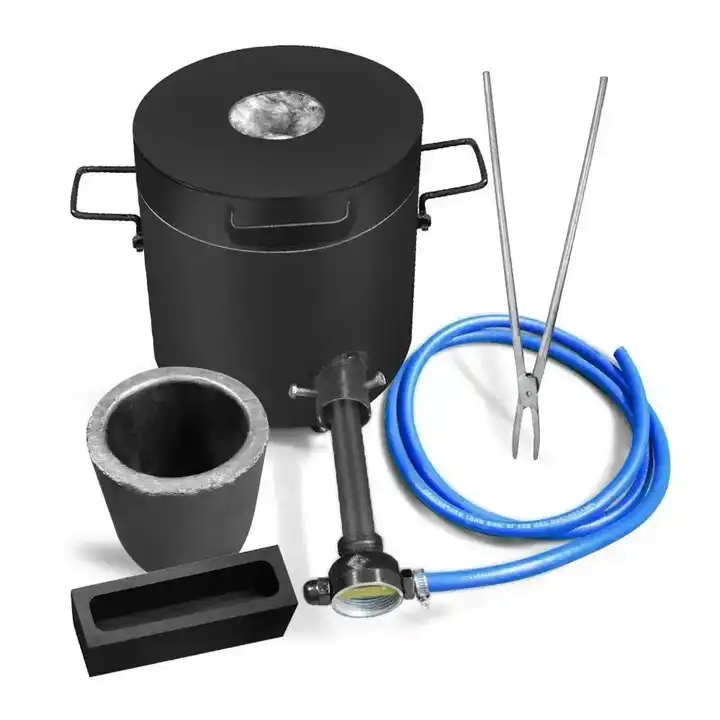
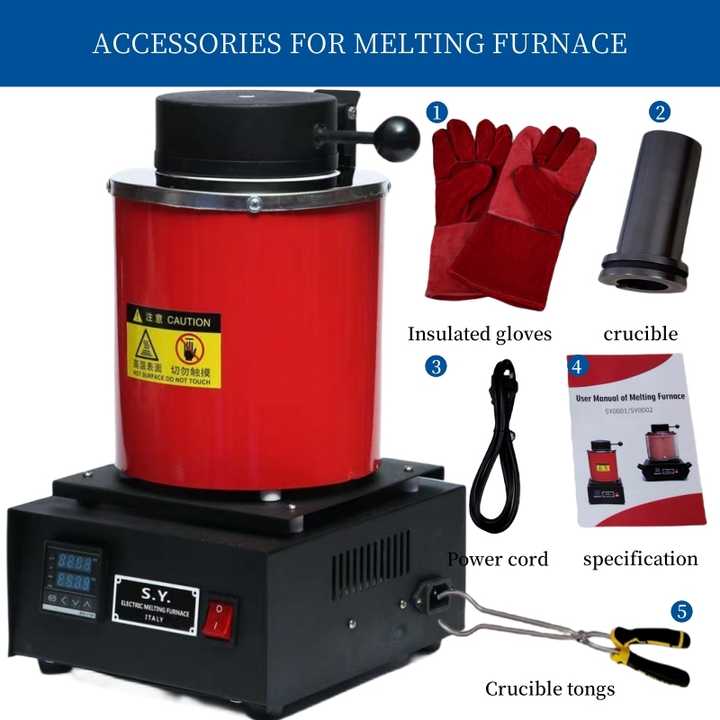
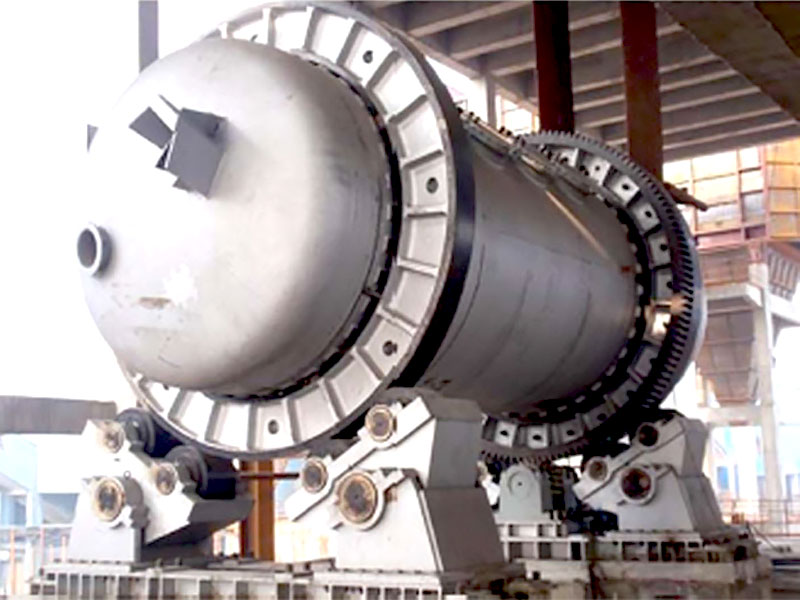
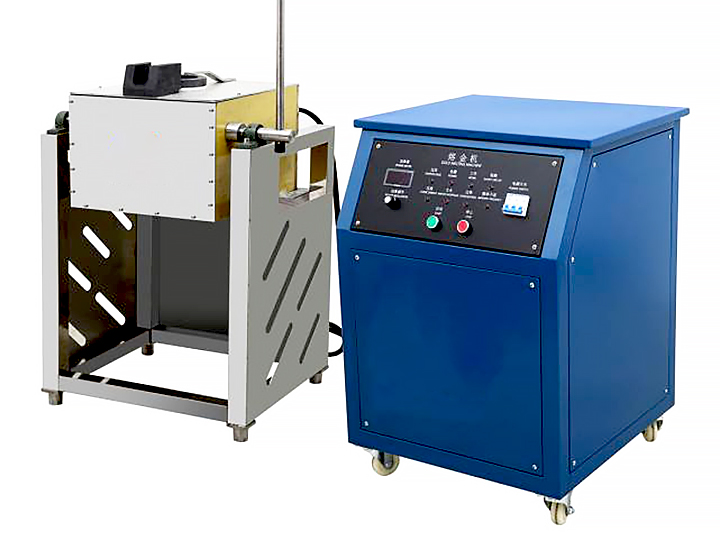
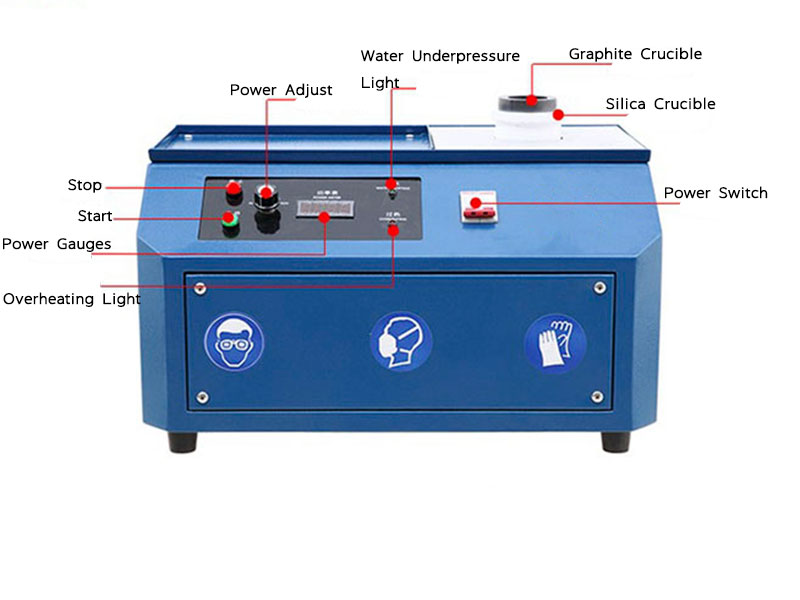
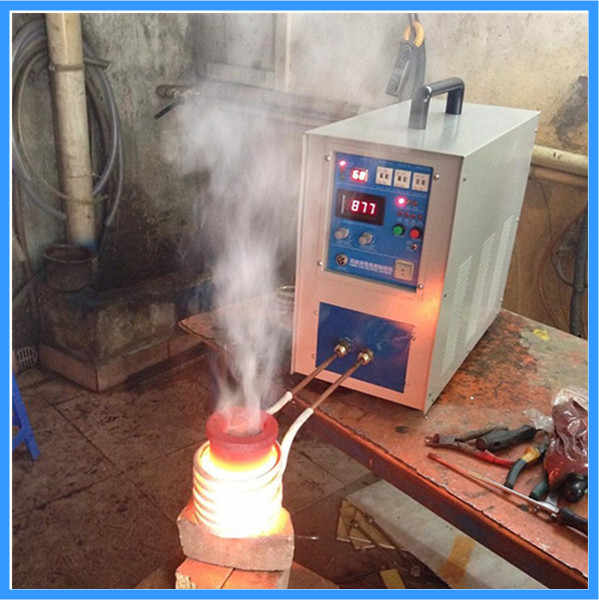
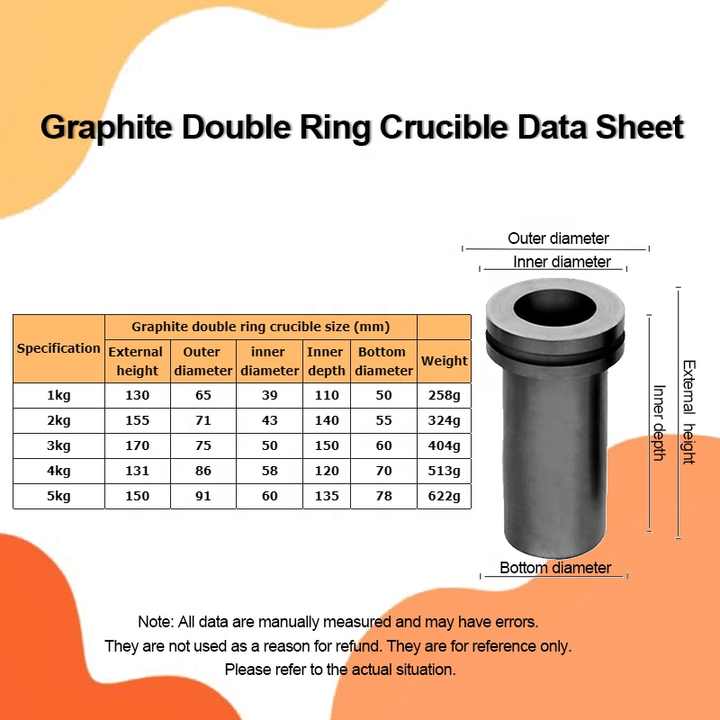
To effectively smelt gold with lead, one requires specialized equipment designed to withstand high temperatures and facilitate the separation process. FRT Machinery offers a range of tools essential for this method, including furnaces capable of reaching the necessary temperatures (over 1000°C) and crucibles made of materials resistant to thermal shock. Additionally, protective gear such as heat-resistant gloves and goggles is crucial for safety during the smelting process.
Step-by-Step Guide to Smelting Gold With Lead
The process of smelting gold with lead involves several steps that must be followed carefully to ensure optimal results:
1.Preparation: Begin by crushing the gold ore into a fine powder using a mortar and pestle or a rock crusher. This increases the surface area, allowing for better interaction with the lead during smelting.
2.Mixing: Combine the powdered ore with lead in a crucible. The ratio of gold ore to lead can vary depending on the specific composition of the ore, but typically, a higher proportion of lead is used to ensure complete amalgamation.
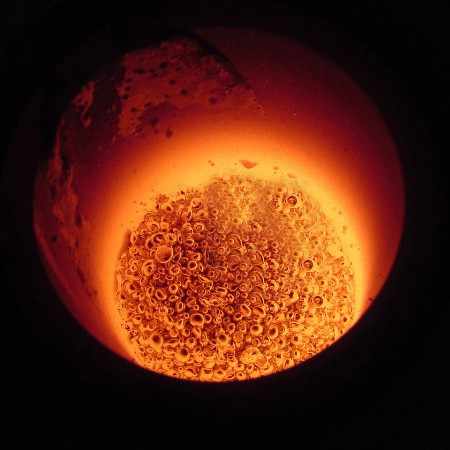
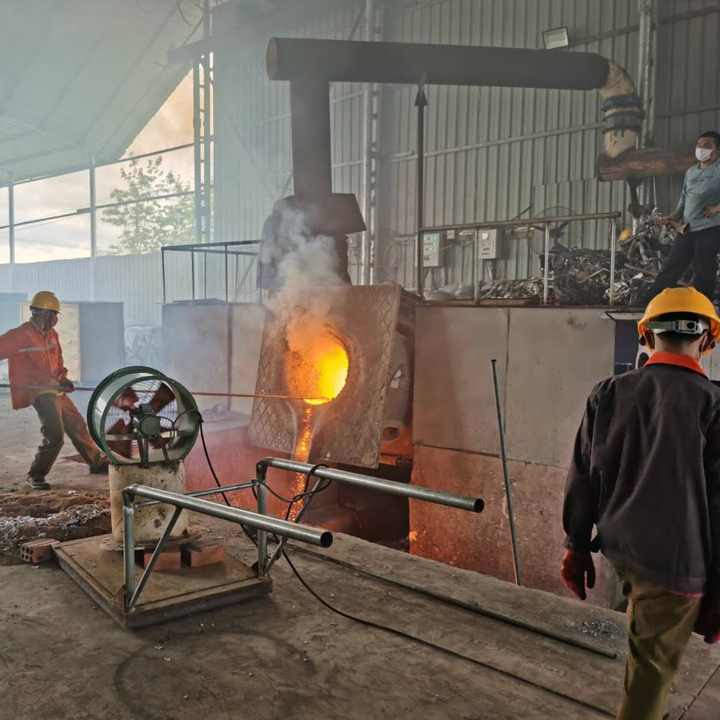
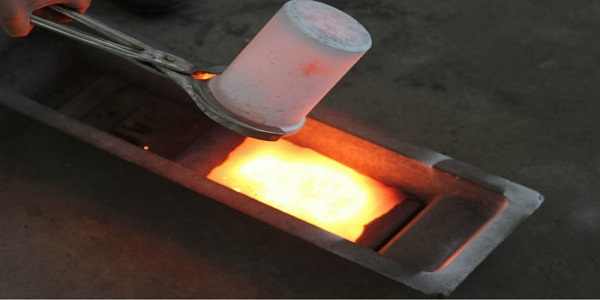
3.Smelting: Place the crucible in a furnace and heat until both the gold ore and lead have melted. The lead acts as a flux, lowering the melting point and helping to separate the gold from other minerals present in the ore.
4.Pouring: Once the mixture is fully liquefied, carefully pour it into a mold. As it cools, the heavier gold will sink to the bottom, separating from the lighter lead and other impurities.
5.Recovery: After cooling, the gold can be recovered by breaking apart the solidified mass and separating the gold from the remaining lead. This step often involves further refining processes to purify the gold.
Safety Considerations When Smelting Gold With Lead
Safety is paramount when dealing with high-temperature processes like smelting. Proper ventilation is essential to avoid inhaling toxic fumes, especially those produced by lead. Always wear appropriate protective clothing and work in a well-ventilated area. It’s also advisable to conduct smelting outdoors or in a dedicated industrial space equipped with fume extraction systems.
Environmental Impact of Smelting Gold With Lead
While smelting gold with lead is an effective method, it’s important to consider its environmental impact. Lead is highly toxic and can contaminate soil and water if not handled properly. Implementing measures to contain and safely dispose of lead waste is crucial. Modern practices often involve recycling lead for reuse, reducing the need for new lead production and minimizing environmental harm.
Advantages and Limitations of Using Lead in Gold Smelting
Despite some drawbacks, smelting gold with lead offers several advantages:
-Cost-Effectiveness: For small-scale operations, using lead as a flux can be more economical than investing in more sophisticated technology.
-Ease of Use: The process is relatively straightforward and does not require extensive technical knowledge once the basics are understood.
-Accessibility: Lead is widely available and easy to obtain compared to other fluxes.
However, limitations include the health risks associated with lead exposure and the need for careful handling and disposal to prevent environmental contamination.
By understanding these aspects, individuals involved in gold smelting can make informed decisions about whether this method suits their needs and how best to implement it safely and responsibly.