Releated Products
-
-
-
-
-
-
-
-
-
-
soda ash gold smelting
Understanding Soda Ash in Gold Smelting
Gold smelting is a crucial process in the refinement of gold from raw ore and other materials. One of the common additives used during this process is soda ash. In this article, we will explore how soda ash gold smelting works, its importance, and the role it plays in achieving high-purity gold.
What is Soda Ash?
Soda ash, also known as sodium carbonate (Na2CO3), is a white, powdery substance used in a variety of industrial processes. In the context of gold smelting, soda ash serves as a flux, which is an agent added to help purify metals. It is an alkaline compound that helps in breaking down impurities and enhances the efficiency of the smelting process.
Why Use Soda Ash in Gold Smelting?
Soda ash plays an essential role in the smelting of gold because it assists in removing impurities, making the refining process more efficient. During smelting, gold is typically mixed with other metals and substances, including base metals such as copper, zinc, or iron. These unwanted materials must be separated from the precious metal, and soda ash helps in this separation.
Key Functions of Soda Ash in Gold Smelting
- Reducing Metal Oxides: One of the primary functions of soda ash in gold smelting is to reduce metal oxides. When gold ore is heated in a furnace, the base metals within it oxidize. Soda ash reacts with these oxides, breaking them down and allowing them to be separated from the gold. This leaves behind purer gold with fewer impurities.
- Fluxing Agent: Soda ash acts as a flux by lowering the melting point of the unwanted metal oxides and slag. It helps collect these impurities, allowing them to float to the top, where they can be easily removed. Without soda ash, the melting point of some oxides would be higher, making the process less efficient and increasing the energy required to achieve the desired result.
- Enhancing Purity: The use of soda ash in the smelting process improves the overall purity of the gold. By assisting in the removal of impurities and unwanted materials, it ensures that the final product is of a higher quality. This is especially important for individuals or businesses that require refined gold for industrial, investment, or manufacturing purposes.
The Gold Smelting Process with Soda Ash
Now that we understand why soda ash is used, let’s look at how it fits into the gold smelting process.
1. Preparation of Materials
Before smelting can begin, the raw gold ore is prepared by crushing and grinding it to a fine consistency. The prepared ore is then placed into a crucible, a container that can withstand extremely high temperatures. At this stage, flux materials, including soda ash, are added to the ore.
2. Heating the Ore
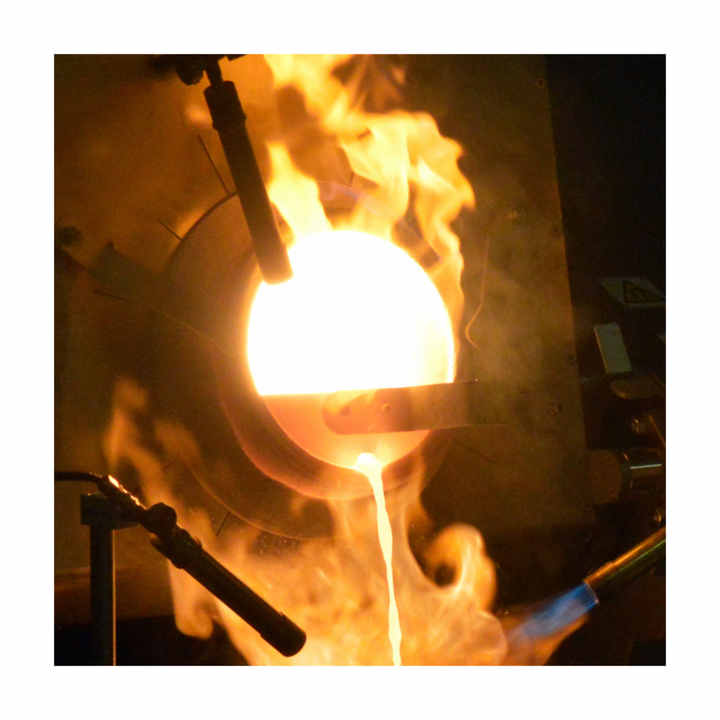
The crucible containing the gold ore and flux materials is placed into a furnace, which is then heated to temperatures of around 1,100°C (2,012°F). As the temperature rises, the gold begins to melt, and the chemical reactions between the ore and fluxes, including soda ash, begin to take place.
3. Formation of Slag
As the gold melts, the soda ash and other fluxes help to separate the impurities from the metal. The soda ash forms a slag, which is a glassy layer that floats on top of the molten gold. This slag contains the impurities removed from the gold during the smelting process. The slag can then be skimmed off and discarded.
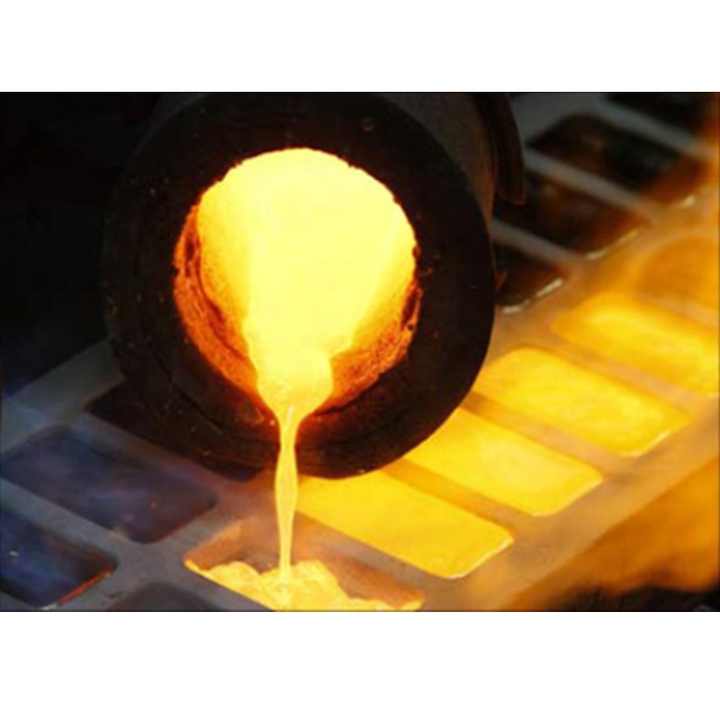
4. Pouring the Molten Gold
Once the slag is removed, what remains in the crucible is molten, purified gold. The liquid gold is then poured into molds, where it solidifies into bars, coins, or other forms. At this point, the gold is highly refined and ready for further use or sale.
Benefits of Using Soda Ash in Gold Smelting
The addition of soda ash to the gold smelting process offers several key benefits:
- Improved Efficiency: Soda ash reduces the melting point of oxides, making the smelting process quicker and more energy-efficient.
- Enhanced Purity: The ability of soda ash to remove impurities results in a purer final product.
- Cost-Effective: Soda ash is a relatively inexpensive flux, making it an economical choice for those involved in gold smelting, especially in large-scale operations.
- Environmentally Friendly: Soda ash is less toxic compared to some other chemical fluxes used in smelting, reducing the environmental impact of the process.
Alternatives to Soda Ash in Gold Smelting
While soda ash is widely used, there are other fluxes that can also be used in gold smelting, depending on the specific needs of the process. Some of the alternatives include:
- Borax: Like soda ash, borax is another common flux used in gold smelting. It also helps to lower the melting point of impurities and facilitates their removal.
- Silica: This is often used in combination with soda ash and borax to assist in the smelting process. Silica helps form a stable slag, making it easier to remove impurities.
- Limestone: This material can be used to remove impurities in the smelting process, particularly when dealing with ores that contain a lot of sulfur.
Soda ash gold smelting is a highly effective method for refining gold, ensuring that impurities are efficiently removed to produce purer, more valuable gold. By acting as a flux, soda ash helps break down metal oxides, lowers the melting point of impurities, and forms a slag that is easily separated from the molten gold.
For anyone involved in gold smelting, understanding the role of soda ash and other fluxes is essential for achieving high-purity results. Whether smelting for industrial use, investment, or hobby purposes, incorporating soda ash into your process ensures greater efficiency and better outcomes.