Releated Products
-
-
-
-
-
-
-
-
-
-
direct smelting of gold concentrates
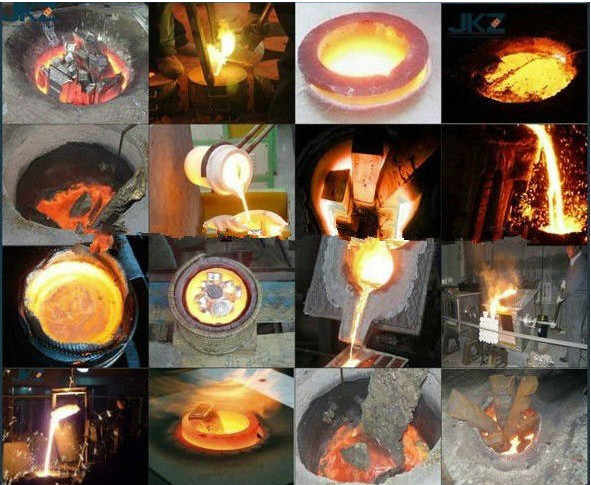
Direct Smelting of Gold Concentrates: A Simple and Effective Method
Direct smelting of gold concentrates is a practical and environmentally friendly way of recovering gold from ore without the use of harmful chemicals like mercury or cyanide. This method has gained popularity, particularly among artisanal and small-scale miners, as it offers a cost-effective and relatively straightforward solution for gold extraction. In this article, we will explore the direct smelting process, its benefits, and the steps involved in smelting gold concentrates.
What is Direct Smelting of Gold Concentrates?
Direct smelting is a metallurgical process that involves heating gold concentrates at high temperatures to separate gold from other impurities. This method does not require chemical agents to dissolve gold but instead relies on heat and flux to melt and extract the precious metal. It is particularly useful for small-scale mining operations that lack access to sophisticated refining equipment and large amounts of ore processing chemicals.
Gold concentrates refer to the concentrated form of gold obtained after the initial ore is crushed and processed, often through gravity-based separation methods like panning, sluicing, or using shaking tables. Direct smelting allows for efficient recovery of gold from these concentrates.
The Direct Smelting Process
The direct smelting process consists of a few key steps that enable miners to recover gold from concentrates. Below is an outline of the process:
1. Crushing and Grinding
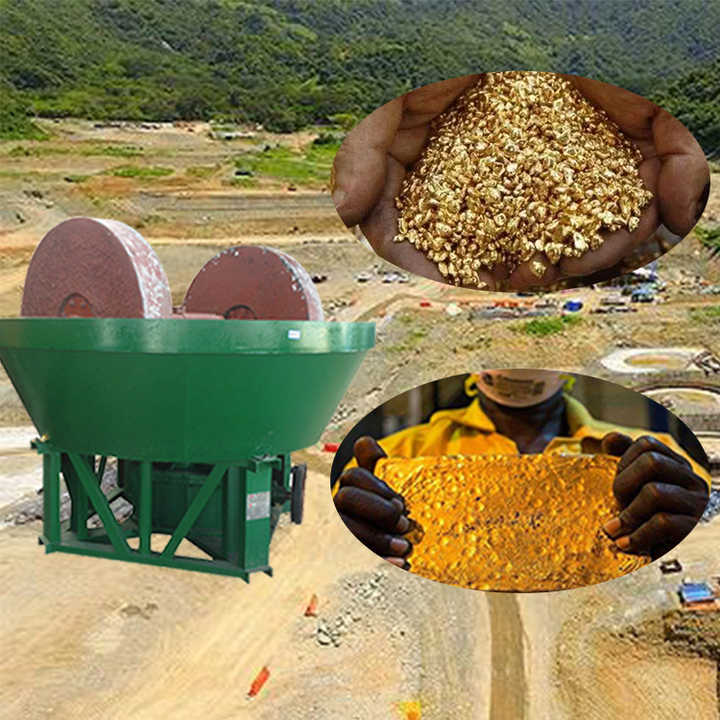
Before the smelting process begins, the raw ore is crushed and ground into fine particles to increase the surface area for better separation. This step ensures that more gold is concentrated during subsequent steps.
2. Concentration
Once the ore is crushed, concentration methods are used to separate the valuable gold from other minerals. Gravity-based methods like sluicing, panning, or shaking tables are often used for this purpose. The resulting gold concentrate is what will be subjected to direct smelting.
3. Preparation of Flux
Flux is a substance added to the gold concentrate to lower the melting point and bind with impurities during the smelting process. Common flux materials used in direct smelting include borax, silica, and sodium carbonate. These materials help purify the gold by separating it from unwanted substances like iron, sand, and other metals present in the concentrate.
4. Smelting
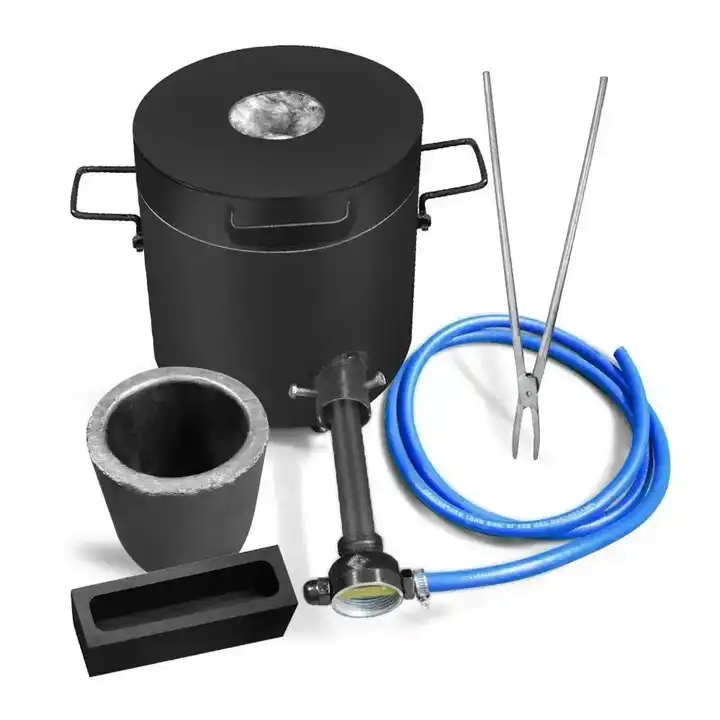
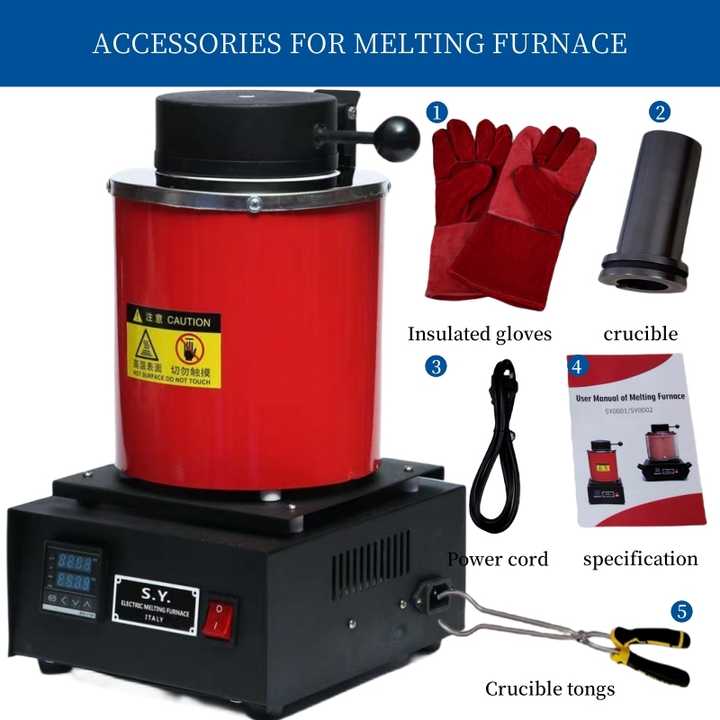
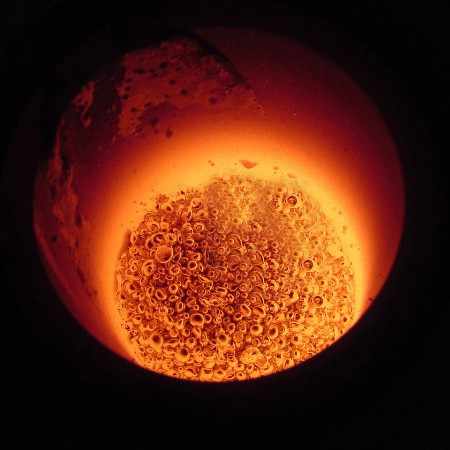
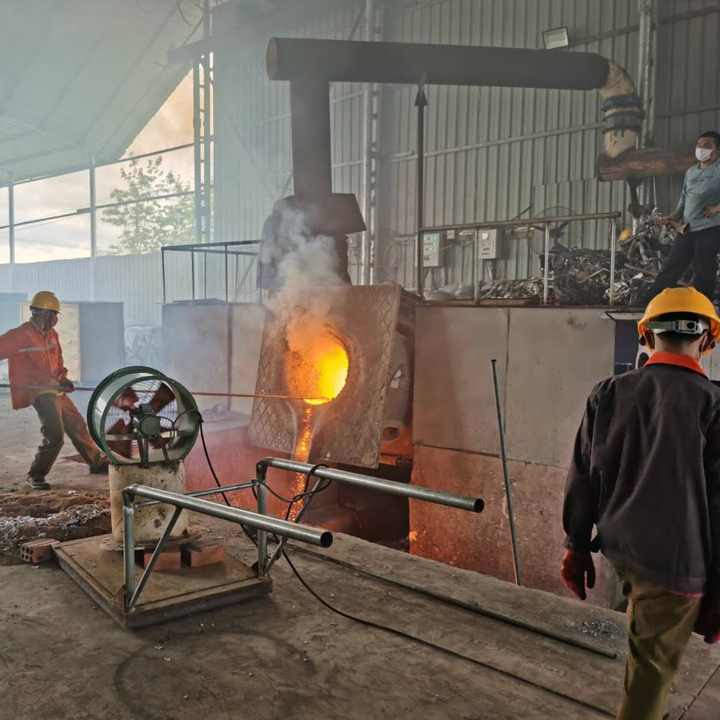
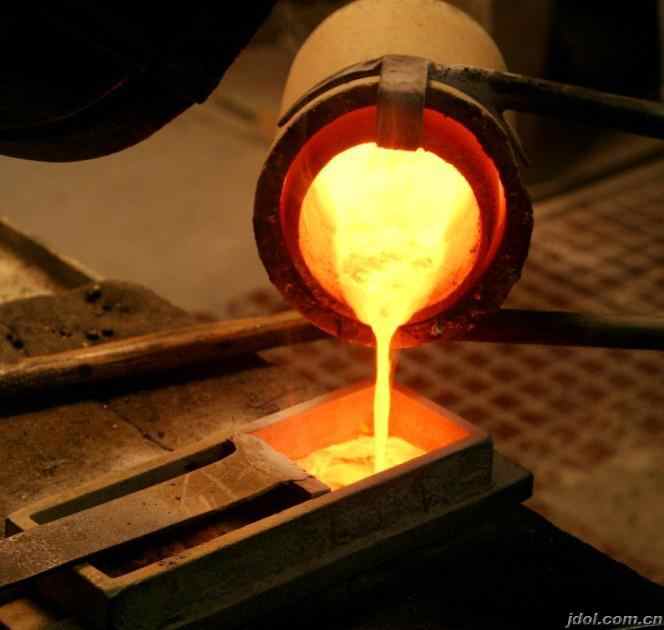
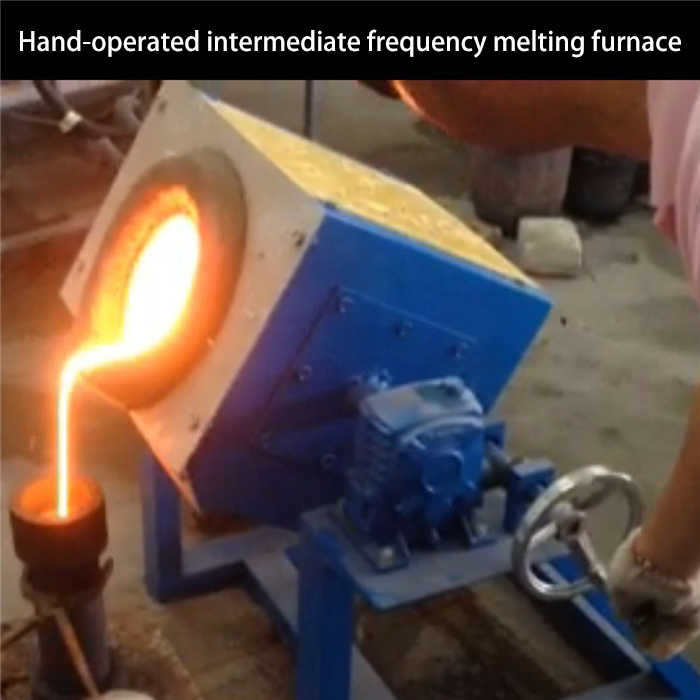
The gold concentrate and flux are mixed and placed into a crucible or a smelting furnace, where they are heated to high temperatures, often above 1,000°C (1,832°F). The intense heat melts the gold and allows it to sink to the bottom of the crucible, while the flux binds with the impurities and floats on top as slag.
5. Pouring and Cooling
Once the gold has melted, the molten material is poured into molds to cool and solidify. The gold sinks to the bottom, and the slag can be removed from the top. After cooling, the resulting gold nugget or ingot can be further refined if necessary.
Benefits of Direct Smelting of Gold Concentrates
Direct smelting offers several advantages, particularly for small-scale mining operations:
1. Mercury-Free
Direct smelting eliminates the need for mercury, a hazardous chemical commonly used in traditional gold extraction methods. Mercury can have devastating effects on both human health and the environment. By avoiding mercury, direct smelting reduces the risks of mercury poisoning and environmental contamination.
2. Cost-Effective
The equipment and materials needed for direct smelting are relatively inexpensive, making this method ideal for small-scale miners. Simple furnaces or smelting pots, along with affordable flux materials like borax and sodium carbonate, can be used to recover gold from concentrates at a low cost.
3. High Gold Recovery Rates
With the proper application of flux and temperature control, direct smelting can achieve high gold recovery rates, often up to 95%. This level of efficiency makes it a reliable method for recovering gold from even low-grade concentrates.
4. Environmentally Friendly
Because direct smelting does not use harmful chemicals, it has a lower environmental impact compared to traditional gold recovery methods. This process reduces the pollution of water sources and soil, making it a more sustainable option for gold mining.
5. Easy to Use
The direct smelting process is relatively simple, and with basic training, miners can quickly learn how to perform this method. It requires minimal equipment and technical knowledge, making it accessible to many artisanal and small-scale miners worldwide.
Limitations of Direct Smelting
While direct smelting of gold concentrates has many advantages, it also has some limitations:
- Manual Labor: The process of crushing, grinding, and concentrating the ore requires manual labor, which can be time-consuming and physically demanding.
- Limited to Small-Scale Operations: Direct smelting is most suitable for small-scale or artisanal mining. Large-scale mining operations typically use more advanced processes, such as carbon-in-leach or flotation, for higher production volumes.
- Impurities: Although direct smelting produces a relatively pure form of gold, there may still be some impurities in the final product, requiring further refining to achieve the highest purity levels.
Direct smelting of gold concentrates is an efficient and cost-effective method for small-scale miners to recover gold without the use of toxic chemicals like mercury or cyanide. It is a simple, environmentally friendly process that yields high gold recovery rates, making it a popular choice among artisanal miners. With the right equipment and techniques, direct smelting can provide a reliable means of extracting gold from ore concentrates, reducing the environmental impact of gold mining and contributing to safer, more sustainable mining practices.